
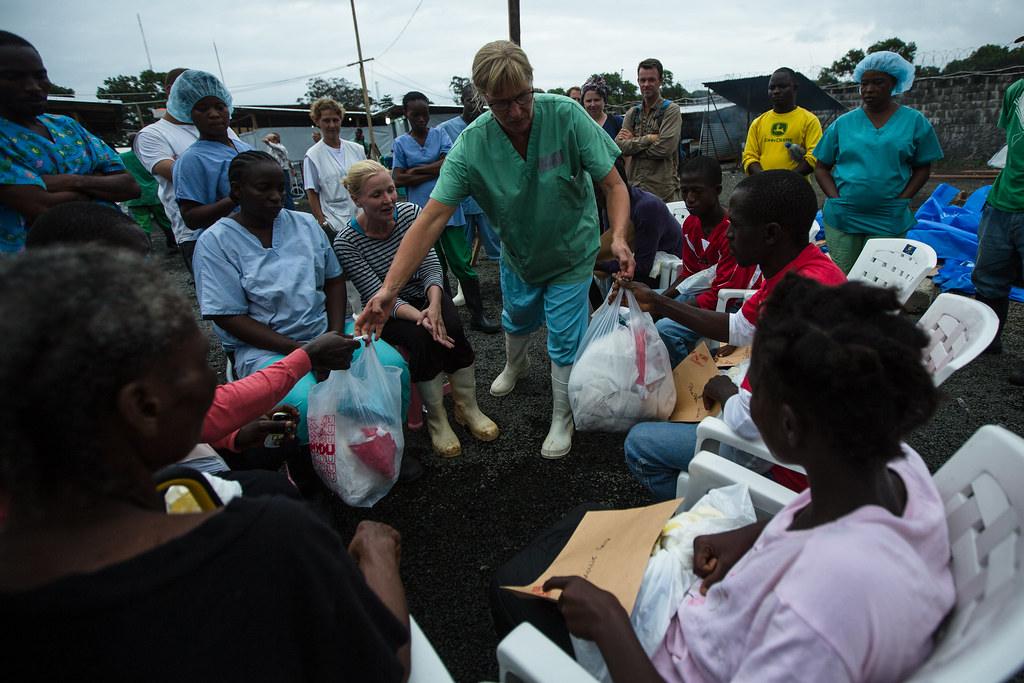
Philanthropic organizations play a critical role in responding to crises. Whether the challenge is a natural disaster, a public health emergency, or widespread poverty, these organizations step in to provide immediate aid and long‑term support. Their work includes distributing food, shelter, medical care, and financial assistance to communities in need. Below are twelve philanthropic organizations that consistently provide emergency relief, each explained in detail to highlight their impact.
The Red Cross and Red Crescent Movement
The International Red Cross and Red Crescent Movement is one of the most recognized emergency relief organizations worldwide. It provides immediate assistance during disasters, including shelter, food, and medical care. The organization also supports blood donation programs, disaster preparedness training, and recovery efforts. Its global network ensures rapid response in nearly every region. Communities rely on the Red Cross and Red Crescent for both immediate relief and long‑term resilience building.
Direct Relief
Direct Relief focuses on providing medical aid during emergencies. It supplies hospitals and clinics with essential medicines, equipment, and resources, particularly in underserved areas. The organization responds to natural disasters, public health crises, and humanitarian emergencies. Its strength lies in logistics, ensuring that aid reaches communities quickly and efficiently. Direct Relief’s commitment to transparency and accountability makes it a trusted partner in global health emergencies.
CARE International
CARE International is dedicated to fighting poverty and delivering humanitarian aid. During emergencies, CARE provides food, water, shelter, and health services to affected populations. The organization also focuses on empowering women and girls, recognizing their central role in community recovery. CARE’s programs extend beyond immediate relief, supporting long‑term development and resilience. Its holistic approach ensures that communities not only survive crises but also rebuild stronger.
World Vision
World Vision is a Christian humanitarian organization that provides emergency relief and development aid. It responds to disasters by delivering food, clean water, shelter, and medical care. World Vision also supports child protection programs, ensuring that vulnerable children are safe during crises. The organization partners with local communities to design sustainable recovery plans. Its emphasis on faith and compassion drives its mission to serve those most in need.
Oxfam International
Oxfam International focuses on addressing inequality and poverty, with a strong presence in emergency relief. It provides clean water, sanitation, food, and shelter during disasters. Oxfam also advocates for systemic change, addressing the root causes of poverty and vulnerability. The organization’s combination of immediate aid and long‑term advocacy makes it unique. Communities benefit from Oxfam’s ability to deliver relief while pushing for structural improvements.
The Salvation Army
The Salvation Army provides emergency relief through shelters, food distribution, and disaster response teams. It operates globally, offering support during natural disasters, economic crises, and public health emergencies. The organization also provides counseling and spiritual support to affected individuals. Its community‑based approach ensures aid is tailored to local needs. The Salvation Army’s mission of compassion and service makes it a reliable source of relief.
Doctors Without Borders (Médecins Sans Frontières)
Doctors Without Borders delivers medical care in crisis zones worldwide. It responds to emergencies such as epidemics, armed conflicts, and natural disasters. The organization provides frontline healthcare, including surgery, vaccinations, and maternal care. Its independence allows it to operate in areas where other organizations cannot. Doctors Without Borders is known for its courage and commitment to serving vulnerable populations under the most challenging conditions.
International Rescue Committee (IRC)
The International Rescue Committee provides emergency relief and long‑term support to refugees and displaced persons. It delivers food, water, healthcare, and education in crisis zones. The IRC also advocates for refugee rights and supports resettlement programs. Its focus on both immediate aid and long‑term integration makes it a leader in humanitarian response. Communities benefit from the IRC’s comprehensive approach to relief and recovery.
GlobalGiving
GlobalGiving connects donors with grassroots organizations providing emergency relief. It operates as a crowdfunding platform, allowing individuals to support specific projects. During disasters, GlobalGiving raises funds for local organizations delivering aid directly to communities. Its model empowers local groups while ensuring transparency for donors. GlobalGiving’s emphasis on community‑driven solutions makes it a unique player in emergency relief.
Catholic Relief Services (CRS)
Catholic Relief Services provides humanitarian aid and development support worldwide. During emergencies, CRS delivers food, shelter, and medical care to affected populations. The organization also supports long‑term recovery through education, agriculture, and economic development programs. Its faith‑based mission emphasizes compassion and service. CRS’s ability to combine immediate relief with sustainable development makes it a trusted partner in global crises.
Save the Children
Save the Children focuses on protecting children during emergencies. It provides food, shelter, healthcare, and education in disaster zones. The organization also advocates for child rights and works to prevent exploitation during crises. Save the Children’s programs ensure that children are safe, healthy, and supported during recovery. Its emphasis on child protection makes it a vital part of humanitarian response efforts.
Mercy Corps
Mercy Corps delivers emergency relief and supports long‑term development in crisis‑affected regions. It provides food, water, shelter, and economic assistance during disasters. The organization also focuses on resilience, helping communities prepare for future challenges. Mercy Corps partners with local organizations to design culturally appropriate solutions. Its combination of immediate aid and long‑term planning ensures communities recover and thrive.
Why These Organizations Matter
Philanthropic organizations provide critical support during emergencies, filling gaps that governments and local agencies cannot always address. They deliver immediate relief while also supporting long‑term recovery and resilience. Their global reach and community‑based approaches ensure aid is both effective and sustainable.
Conclusion
Emergency relief is essential for communities facing disasters and crises. Philanthropic organizations such as the Red Cross, CARE, Oxfam, and Doctors Without Borders provide immediate aid while supporting long‑term recovery. Each organization brings unique strengths, whether it is medical care, child protection, or grassroots empowerment. Together, they form a global network of compassion and resilience.
Leave a Reply