
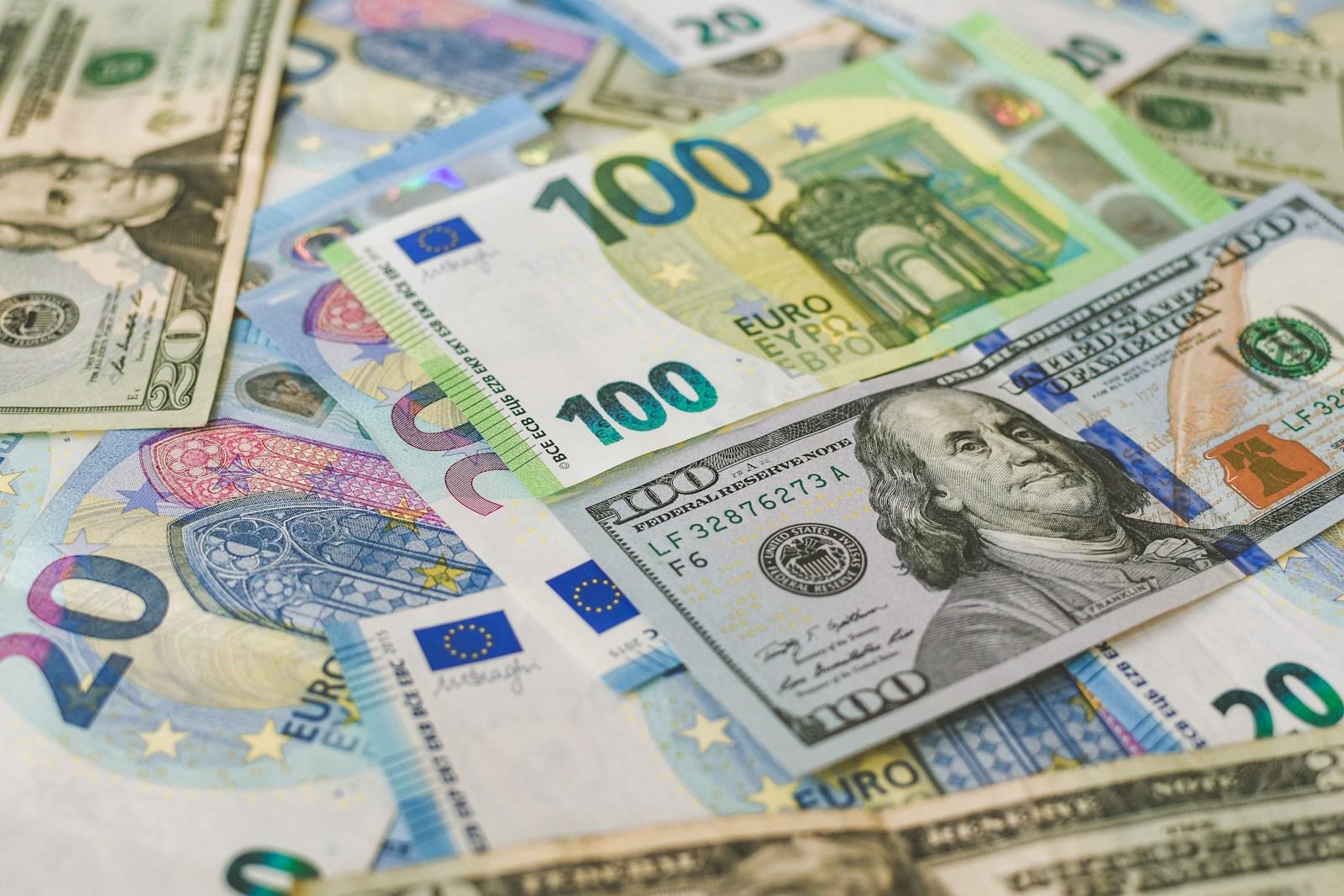
Community currencies are locally created systems of exchange designed to complement national money. They encourage spending within neighborhoods, support small businesses, and build resilience against economic shocks. By keeping value circulating locally, these currencies strengthen social ties and empower communities to meet their own needs.
Bristol Pound (United Kingdom)
The Bristol Pound was introduced in 2012 to encourage residents to spend money with local businesses. Citizens could use paper notes or digital payments accepted by shops, cafes, and service providers. The program strengthened the local economy by ensuring that money stayed within Bristol rather than flowing to national chains. Businesses reported stronger customer loyalty, and residents felt more connected to their community. Although the currency ended in 2020, it demonstrated how local money can reinforce regional identity and economic resilience.
BerkShares (United States)
BerkShares are a community currency used in the Berkshire region of Massachusetts. Introduced in 2006, they are exchanged at local banks and accepted by hundreds of businesses. The program encourages residents to shop locally, supporting small enterprises and reducing economic leakage. BerkShares also serve as an educational tool, teaching communities about sustainable economics. By promoting local spending, BerkShares strengthen rural economies and highlight the value of community-driven financial systems.
Chiemgauer (Germany)
The Chiemgauer currency began as a school project in Bavaria in 2003 and grew into a regional economic initiative. It is designed with a “demurrage” feature, meaning the currency loses value if not spent within a certain time. This encourages circulation and prevents hoarding. Local businesses benefit from increased sales, while nonprofit organizations receive donations linked to currency exchanges. The Chiemgauer demonstrates how innovative design can make community currencies more dynamic and socially beneficial.
Sardex (Italy)
Sardex is a digital currency launched in Sardinia in 2009. It operates as a mutual credit system, allowing businesses to trade goods and services without using euros. Members record transactions in Sardex units, which function like credits. The system strengthens local economies by enabling trade even when cash is scarce. Small businesses gain access to new customers and suppliers, while communities benefit from increased collaboration. Sardex illustrates how digital platforms can modernize community currencies.
Palmas (Brazil)
The Palmas currency was introduced in Fortaleza in 1998 by a community bank. It was designed to combat poverty and promote local development. Residents use Palmas alongside the national currency to purchase goods and services within the neighborhood. The program includes microcredit loans, helping families start small businesses. Palmas strengthens the local economy by reducing reliance on external markets and empowering residents to build wealth. Its success inspired similar initiatives across Brazil.
Bangla-Pesa (Kenya)
Bangla-Pesa is a community currency launched in 2013 in Mombasa. It allows small businesses to trade goods and services when national currency is scarce. Members issue vouchers that function as local money, enabling trade within the community. The program strengthens the local economy by reducing unemployment and increasing access to essential goods. Bangla-Pesa demonstrates how community currencies can provide stability in areas with limited financial infrastructure.
Toronto Dollar (Canada)
The Toronto Dollar was introduced in the late 1990s to support local businesses and social programs. Residents purchased Toronto Dollars at a discount and spent them at participating shops. A portion of the proceeds funded community projects, creating a cycle of local investment. The program strengthened the economy by encouraging spending within the city and supporting social initiatives. Although it is no longer active, the Toronto Dollar highlighted the potential of community currencies to combine commerce with social responsibility.
Ithaca HOURS (United States)
Ithaca HOURS, launched in New York in 1991, were one of the earliest modern community currencies. Each “Hour” represented the value of one hour of work, and residents used them to trade goods and services. The system strengthened the local economy by promoting barter-like exchanges and reducing dependence on national currency. Ithaca HOURS inspired similar initiatives across the United States, demonstrating how time-based currencies can build community resilience.
Calgary Dollars (Canada)
Calgary Dollars are a community currency introduced to encourage local trade and reduce waste. Residents earn Calgary Dollars by participating in community activities, volunteering, or selling goods. They can spend the currency at local businesses or use it for services. The program strengthens the economy by rewarding civic participation and promoting sustainable practices. Calgary Dollars highlight how community currencies can integrate social and environmental goals with economic activity.
Eco-Pesa (Kenya)
Eco-Pesa was launched in 2010 to promote environmental sustainability in Kenyan communities. Residents earned Eco-Pesa by participating in environmental projects such as tree planting or waste collection. They could then spend the currency at local businesses. The program strengthened the economy by linking environmental action with financial incentives. Eco-Pesa demonstrated how community currencies can address ecological challenges while supporting local trade.
Community currencies such as the Bristol Pound, BerkShares, Chiemgauer, Sardex, Palmas, Bangla-Pesa, Toronto Dollar, Ithaca HOURS, Calgary Dollars, and Eco-Pesa show how local money strengthens economies. These initiatives encourage spending within communities, support small businesses, and promote social goals. Whether through paper notes, digital platforms, or time-based systems, community currencies demonstrate that local exchange can build resilience, reduce poverty, and empower residents. Together, they highlight the diverse ways communities across the world use alternative currencies to strengthen their economies.
Leave a Reply