
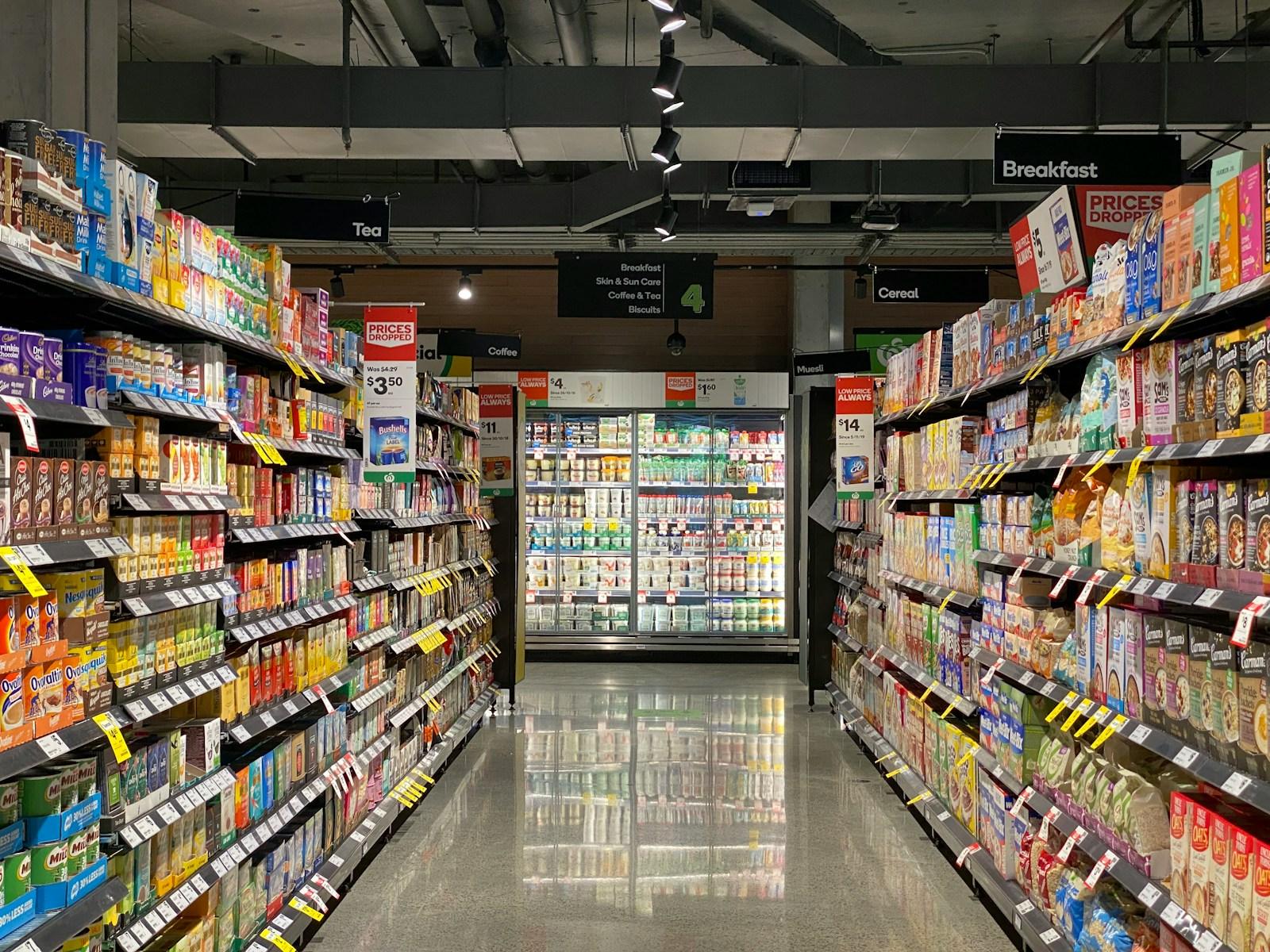
Food security remains a pressing challenge in both developed and developing countries. Rising costs, supply chain disruptions, and economic inequality make it difficult for families to access affordable, nutritious food. Cooperative grocery models offer a community-driven solution. By pooling resources and emphasizing shared ownership, these initiatives strengthen local economies, reduce food insecurity, and empower residents to take control of their food systems.
Understanding Cooperative Grocery Models
Cooperative grocery stores are owned and managed by members—typically local residents—rather than private corporations. Members contribute financially or through volunteer work, and decisions are made democratically. Profits are reinvested into the cooperative or returned to members in the form of discounts. This structure ensures that the focus remains on affordability, sustainability, and community benefit rather than maximizing shareholder profit.
Park Slope Food Coop (United States)
One of the most famous cooperative grocery models is the Park Slope Food Coop in Brooklyn, New York. Founded in 1973, it requires members to contribute a few hours of work each month in exchange for access to affordable, high-quality food. The cooperative emphasizes organic produce, fair trade products, and sustainable practices. By involving members directly in operations, Park Slope reduces labor costs and keeps prices low. This model demonstrates how shared responsibility can strengthen food security in urban communities.
La Louve Cooperative (France)
La Louve, located in Paris, was inspired by the Park Slope model. Members volunteer to work shifts in the store, ensuring that operations remain efficient and costs are minimized. The cooperative focuses on providing healthy, affordable food while promoting transparency in sourcing. La Louve highlights how cooperative grocery models can be adapted internationally, strengthening food security in diverse cultural contexts.
Suma Wholefoods (United Kingdom)
Suma Wholefoods operates as a worker cooperative in the UK, supplying groceries to communities across the country. Unlike consumer cooperatives, Suma is owned and managed by its workers, who share responsibilities and profits equally. The cooperative emphasizes ethical sourcing and sustainability. By distributing food widely, Suma strengthens food security not only for its members but also for communities that rely on its products.
Cooperative Grocery Stores in Japan
Japan has a long tradition of consumer cooperatives, known as “Seikyo.” These cooperatives provide groceries, healthcare products, and household goods to millions of members. Seikyo emphasizes collective purchasing power, allowing families to access affordable food. Members participate in decision-making and benefit from discounts. Japan’s cooperative grocery model demonstrates how large-scale cooperatives can strengthen food security across entire regions.
Community Food Co-ops in Canada
In Canada, community food co-ops operate in both urban and rural areas. These cooperatives emphasize local sourcing, supporting farmers and producers within the region. Members benefit from affordable prices and access to fresh produce. For example, the West End Food Co-op in Toronto combines grocery services with educational programs, teaching families about nutrition and sustainability. Canadian co-ops highlight how cooperative grocery models strengthen food security by linking consumers directly to local producers.
Rural Cooperatives in Africa
In rural Africa, cooperative grocery models often focus on collective purchasing and distribution. Communities pool resources to buy food in bulk, reducing costs and ensuring consistent supply. Cooperatives also support local farmers by purchasing crops directly, creating stable markets. These initiatives strengthen food security by addressing both affordability and availability. Rural cooperatives demonstrate how community-driven models adapt to regions with limited infrastructure.
Indigenous Food Cooperatives
Indigenous communities in North America have developed cooperative grocery models that emphasize cultural traditions and food sovereignty. These cooperatives prioritize traditional foods, sustainable practices, and community ownership. By combining modern cooperative structures with cultural values, Indigenous food cooperatives strengthen food security while preserving heritage. They highlight how cooperative models can be tailored to specific cultural contexts.
Positive and Negative Differences Compared to Traditional Grocery Stores
Cooperative grocery models provide positive differences such as affordability, transparency, and community empowerment. Members benefit from lower prices, ethical sourcing, and democratic decision-making. However, negative differences include reliance on volunteer labor and challenges in scaling operations. Traditional grocery stores offer convenience and consistency, while cooperatives emphasize community values. Understanding these differences highlights the unique role of cooperative models in strengthening food security.
Policy Support for Cooperative Grocery Models
Governments can strengthen cooperative grocery models by providing funding, legal recognition, and infrastructure support. Policies that encourage local sourcing and community ownership reduce barriers to cooperative development. For example, some European countries provide tax incentives for cooperatives. Policy support ensures that cooperative grocery models remain viable and accessible.
Community-Based Solutions
Local organizations play a vital role in establishing cooperative grocery stores. Nonprofits, churches, and grassroots groups often provide initial funding and organizational support. Community-based solutions ensure that cooperatives reflect local needs and values. By combining financial resources with volunteer labor, communities create sustainable grocery models that strengthen food security.
Leave a Reply