
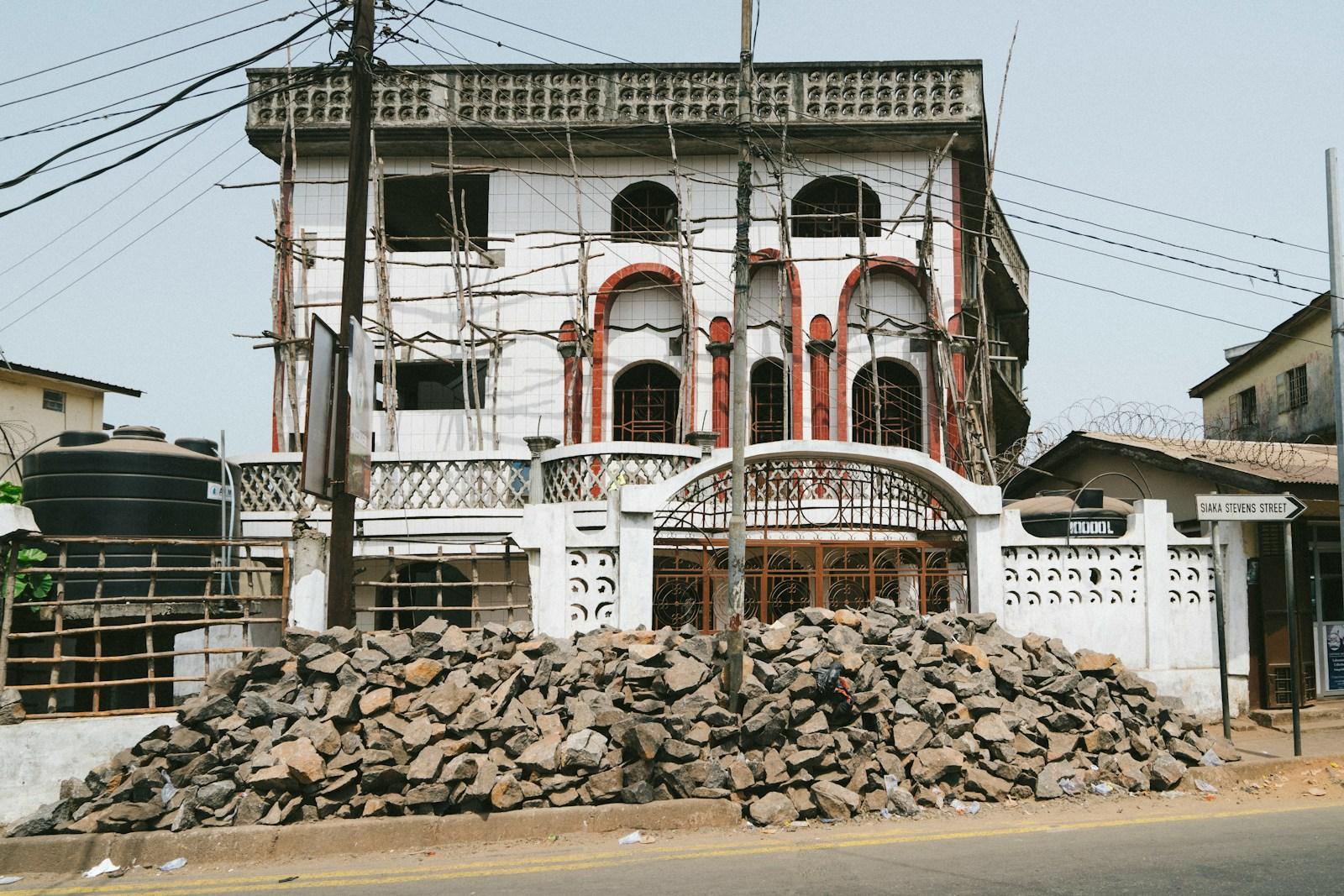
When disasters strike, housing is often the first casualty. Earthquakes, floods, hurricanes, and typhoons can destroy homes in minutes, leaving families displaced and communities fractured. For vulnerable areas where disasters are frequent, the question is not just how to rebuild after destruction but how to design housing that can withstand future shocks. Disaster-resilient housing design is about creating homes that protect lives, preserve dignity, and reduce the cycle of loss and recovery.
In many parts of the world, vulnerable communities live in structures that are poorly built or located in high-risk zones. These homes may be affordable in the short term, but they are fragile when faced with disasters. Each time a storm or earthquake hits, families lose everything. Recovery becomes a repeating cycle, draining resources and eroding hope.
Resilient housing design breaks this cycle. By integrating safety, durability, and adaptability into construction, communities can reduce damage, save lives, and recover more quickly. For families, resilient housing means security. For governments and aid organizations, it means fewer resources spent on rebuilding and more invested in long-term development.
Principles of Disaster-Resilient Design
Resilient housing design is not about luxury. It is about smart, practical choices that make homes safer. Several principles guide this approach.
First, location matters. Building in flood-prone zones or unstable hillsides increases risk. Resilient design emphasizes careful site selection, sometimes requiring relocation to safer areas.
Second, materials are critical. Using reinforced concrete, treated timber, or locally available durable materials ensures that homes can withstand shocks. In flood-prone areas, elevated foundations prevent water damage. In earthquake zones, flexible structures reduce collapse risk.
Third, design must be community-centered. Housing should reflect cultural practices, family needs, and local resources. A design that ignores these factors may be technically strong but socially unsustainable.
Finally, affordability is essential. Vulnerable communities cannot afford expensive solutions. Resilient housing must balance safety with cost, using innovative methods to keep construction accessible.
Examples Around the World
There are inspiring examples of disaster-resilient housing in practice. In the Philippines, where typhoons are frequent, organizations have developed elevated bamboo houses with reinforced frames. These homes are affordable, culturally familiar, and resistant to flooding.
In Japan, earthquake-resistant housing incorporates flexible joints and lightweight materials. Families live in homes designed to sway rather than collapse during tremors.
In Bangladesh, flood-resilient housing includes raised platforms and floating structures. Communities adapt to seasonal flooding by building homes that remain safe even when water levels rise.
In Haiti, after the devastating earthquake of 2010, aid organizations introduced modular housing units built with reinforced concrete and steel. These homes were designed to withstand future quakes and hurricanes.
These examples show that resilience is not a one-size-fits-all solution. It must adapt to local risks, cultures, and resources.
Benefits Beyond Safety
Resilient housing does more than protect families during disasters. It strengthens communities socially and economically. Families living in safe homes are more likely to invest in education, health, and livelihoods. Communities with resilient housing attract businesses and services, boosting local economies.
Resilient housing also reduces displacement. When homes survive disasters, families do not need to move to shelters or camps. This stability preserves community bonds and reduces the psychological toll of repeated loss.
Challenges in Implementation
Despite its benefits, disaster-resilient housing faces challenges. Cost is a major barrier. Even when designs are affordable, upfront expenses may be too high for low-income families. Governments and aid organizations must provide subsidies, loans, or grants to make resilience accessible.
Knowledge gaps also exist. Builders and communities may not be familiar with resilient techniques. Training and education are essential to ensure that designs are implemented correctly.
Policy barriers can slow progress. Zoning laws, land ownership issues, and bureaucratic delays often prevent relocation or reconstruction in safer areas. Without supportive policies, resilient housing remains limited.
Finally, cultural acceptance is important. Families may resist designs that differ from traditional housing styles. Programs must involve communities in planning to ensure that resilience aligns with cultural values.
Role of Governments and Aid Organizations
Governments play a crucial role in promoting resilient housing. Policies that require disaster-resistant standards in construction reduce risk. Subsidies and incentives encourage adoption. Aid organizations provide technical expertise, funding, and training.
Collaboration is key. Governments, nonprofits, and communities must work together to design, build, and maintain resilient housing. Without coordination, efforts may be fragmented and less effective.
Community Involvement
Community involvement ensures that resilient housing is sustainable. Families must be part of the design process, sharing their needs and preferences. Local builders must be trained in resilient techniques. Community organizations can provide oversight, ensuring that housing remains safe and well-maintained.
When communities take ownership of resilient housing, they are more likely to preserve and improve it. This sense of agency strengthens resilience not just in structures but in social bonds.
Looking at the Bigger Picture
Disaster-resilient housing is not just about construction. It is part of a broader strategy for disaster preparedness and climate adaptation. Safe homes reduce the burden on emergency services, shelters, and aid programs. They allow families to recover faster and contribute to long-term development.
In vulnerable areas, resilient housing is a foundation for resilience in every sense. It protects lives, preserves dignity, and builds hope. It shows that even in the face of disasters, communities can create stability and security.
Leave a Reply