
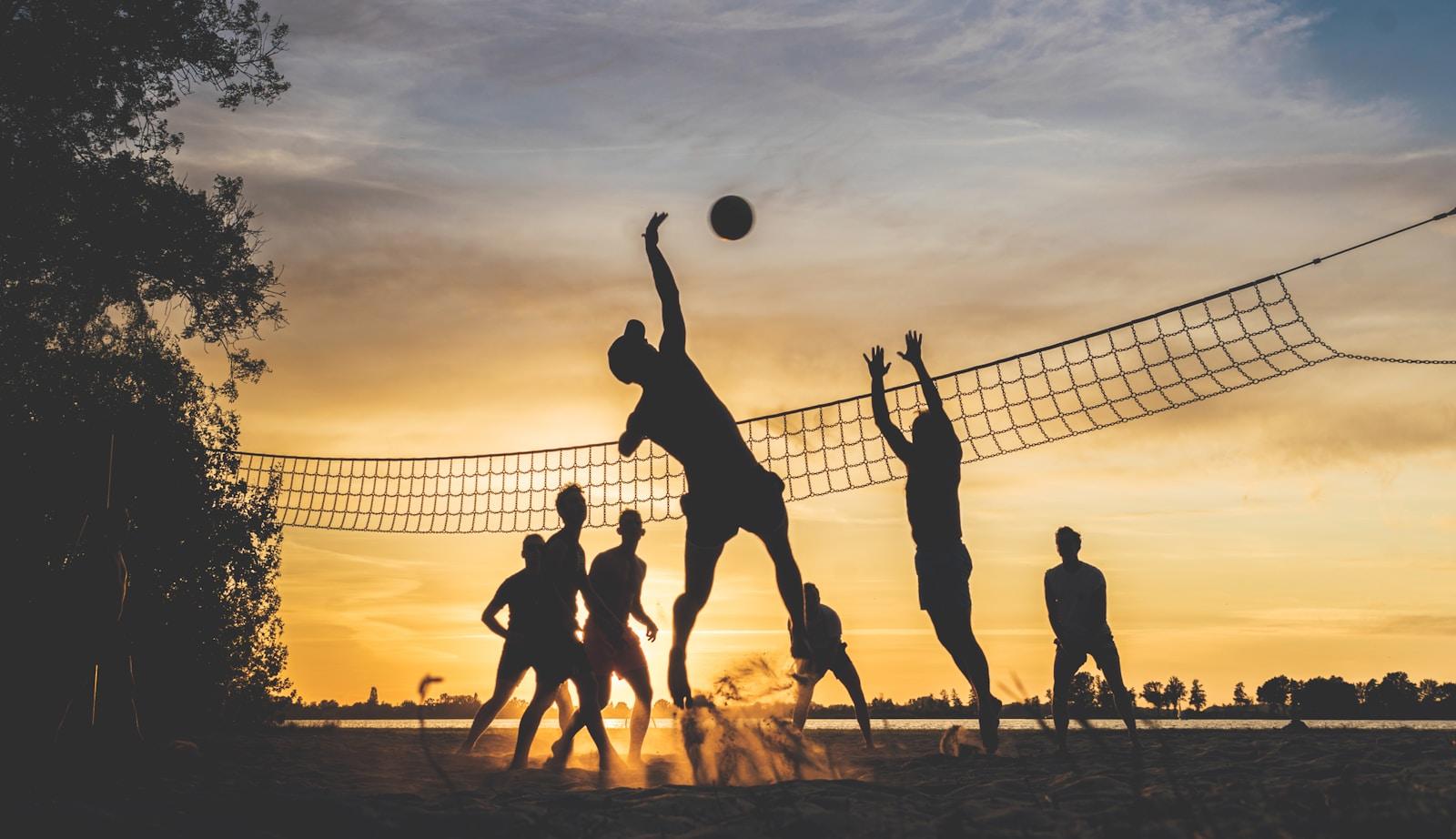
On a humid Saturday morning in a small neighborhood park, children of different ages and backgrounds gather for a weekly soccer game. Some wear worn-out sneakers, others play barefoot, but all of them share the same excitement. Parents sit on benches, cheering, while volunteers set up cones and water stations. What looks like a simple community game is, in fact, part of a larger effort to build inclusivity through sports.
This story, though rooted in one neighborhood, reflects a global truth: sports have the power to bring people together, break down barriers, and create communities where everyone feels they belong.
A Story of Connection
Maria, a single mother who recently moved to the neighborhood, worried about how her son would adjust. He was shy, spoke little of the local language, and often felt left out at school. When she heard about the community soccer program, she hesitated. Would he fit in? Would the other children accept him?
On the first day, her son stood nervously at the edge of the field. A volunteer coach noticed and invited him to join a warm-up drill. Within minutes, he was running alongside other children, laughing as they chased the ball. By the end of the game, he had made new friends. For Maria, the transformation was immediate. Sports had opened a door to belonging.
Why Sports Build Inclusivity
Stories like Maria’s are common. Sports create shared experiences that transcend language, culture, and socioeconomic status. A ball, a court, or a field becomes neutral ground where differences fade and teamwork takes center stage.
Inclusivity through sports works because it emphasizes participation over competition. When programs focus on fun, learning, and collaboration, they invite everyone to join, regardless of skill level or background. This approach fosters respect, empathy, and understanding.
Breaking Down Barriers
In many communities, barriers to inclusion are real. Economic inequality, cultural differences, and social stigma can isolate families. Sports programs address these barriers in practical ways.
For example, providing free equipment ensures that children from low-income families can participate. Offering bilingual coaching helps immigrant families feel welcome. Creating mixed-gender teams challenges stereotypes and promotes equality.
Each of these steps may seem small, but together they create environments where diversity is celebrated rather than ignored.
A Case from Rural Communities
In a rural town, a basketball program was launched to connect young people from different villages. Initially, there was tension. Rivalries between villages made cooperation difficult. Coaches decided to mix teams intentionally, pairing players from different areas.
At first, communication was awkward. But as games progressed, players began to trust one another. They celebrated victories together, supported each other after losses, and built friendships that extended beyond the court. Over time, the program reduced tensions between villages, showing how sports can heal divisions.
The Role of Volunteers and Leaders
Inclusive sports programs rely on dedicated volunteers and leaders. Coaches, organizers, and community members set the tone. Their commitment to fairness, respect, and encouragement ensures that everyone feels valued.
One volunteer coach explained, “We are not just teaching kids how to play. We are teaching them how to work together, how to respect differences, and how to support one another.” This philosophy turns sports into a tool for social development.
Benefits Beyond the Field
The benefits of inclusive sports extend far beyond the games themselves. Children gain confidence, learn teamwork, and develop communication skills. Parents build networks, finding support among other families. Communities grow stronger as bonds form across cultural and economic divides.
Sports also promote health and well-being. Regular activity reduces stress, improves fitness, and encourages positive lifestyles. For families facing challenges, these benefits are invaluable.
Challenges and Solutions
Building inclusive communities through sports is not without challenges. Funding is often limited, making it difficult to provide equipment or facilities. Cultural differences may lead to misunderstandings. Some families may hesitate to participate due to fear of exclusion.
Solutions require creativity and collaboration. Partnerships with local businesses can provide sponsorships. Training for coaches can address cultural sensitivity. Outreach through schools, churches, and community centers can encourage hesitant families to join.
Most importantly, programs must remain flexible. Inclusivity is not a one-time achievement but an ongoing process that adapts to changing community needs.
A Story of Transformation
In one city, a community sports program focused on integrating children with disabilities. At first, parents worried that their children would be sidelined. Coaches responded by designing adaptive activities, ensuring that every child could participate meaningfully.
One boy, who used a wheelchair, became the team’s strategist. He could not run on the field, but he directed plays from the sidelines, helping teammates position themselves. His role was celebrated, and his confidence soared. The program showed that inclusivity is not about treating everyone the same but about valuing each person’s unique contribution.
Why Sports Matter for Communities
Sports matter because they create spaces where people connect authentically. They remind us that community is built not only through shared geography but through shared experiences. When families play, cheer, and celebrate together, they form bonds that strengthen neighborhoods.
Inclusive sports programs also prepare children for the future. They learn to navigate diversity, respect differences, and collaborate across boundaries. These skills are essential in a world that is increasingly interconnected.
Looking Ahead
As communities face challenges such as economic inequality, migration, and social division, inclusive sports programs offer hope. They show that building community does not require grand infrastructure or complex policies. Sometimes, it begins with a ball, a field, and a group of people willing to play together.
The story of Maria’s son, the rural basketball teams, and the boy in the wheelchair all illustrate the same truth: sports can transform lives. They can turn strangers into teammates, neighbors into friends, and communities into inclusive spaces where everyone belongs.
Leave a Reply