
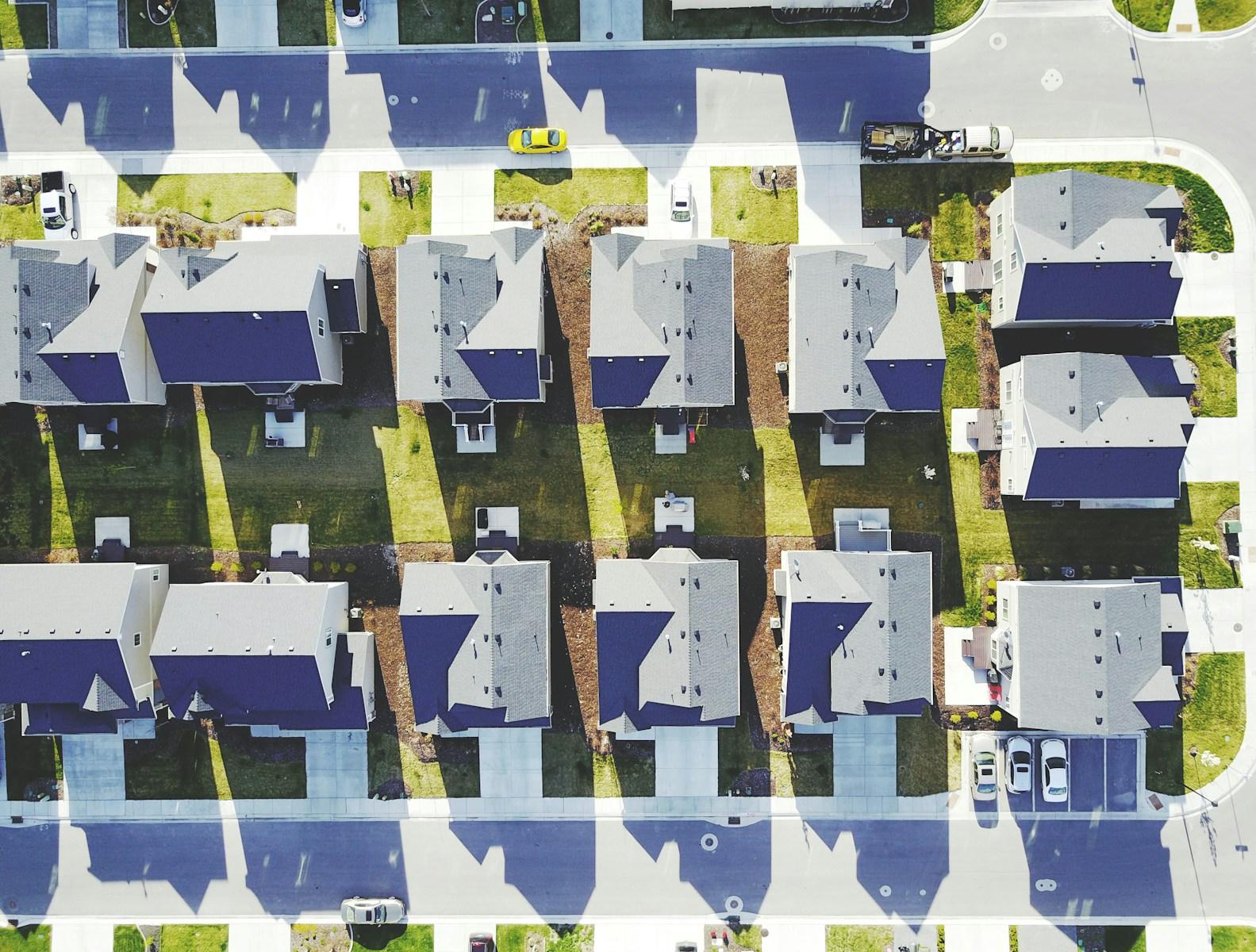
Affordable housing programs are designed to make rent manageable for families with limited income. On paper, they promise stability, predictable costs, and relief from the pressures of the private rental market. Yet many tenants discover that “affordable” does not always mean straightforward. Hidden fees, unexpected charges, and unclear policies can turn what looks like a lifeline into a financial burden. Understanding these hidden costs is essential for anyone considering or already living in affordable housing.
Application Fees
Many affordable housing programs require application fees before tenants can even be considered. These fees are often small, but they add up, especially for families applying to multiple properties. The problem is that fees are non‑refundable, even if the application is denied. Tenants may feel trapped, paying again and again just for the chance to secure housing.
Security Deposits Beyond Expectations
Security deposits are standard in rental agreements, but affordable housing programs sometimes require higher amounts than tenants anticipate. Deposits may include not only protection against damages but also additional charges for administrative costs. Families entering these programs often expect lower upfront costs, only to face deposits that strain their budgets. This hidden fee can delay access to housing for those who need it most.
Utility Charges Not Covered by Rent
Affordable housing programs often advertise rent as “all inclusive,” but tenants may later discover that utilities are not fully covered. Charges for water, electricity, or trash collection can appear unexpectedly. These costs vary month to month, making budgeting difficult. Tenants who thought they had predictable rent may find themselves juggling fluctuating bills.
Parking Fees
Parking is another area where hidden fees emerge. Some affordable housing complexes charge for parking spaces, even when tenants own only one vehicle. Fees may be mandatory, regardless of whether a tenant uses the space. For families already struggling, these charges feel unnecessary and unfair.
Maintenance and Service Fees
Tenants often assume maintenance is included in rent, but some programs add service fees for repairs or upkeep. Charges may apply to routine requests, such as fixing appliances or addressing plumbing issues. These fees undermine the promise of affordable housing, leaving tenants to pay extra for basic services.
Late Payment Penalties
Affordable housing programs emphasize affordability, yet late payment penalties can be steep. Families living paycheck to paycheck may miss deadlines by a few days, only to face significant fines. These penalties compound financial stress, making it harder to catch up. Hidden costs like these punish tenants who are already vulnerable.
Administrative and Processing Fees
Some programs add administrative fees for paperwork, renewals, or compliance checks. These charges are often buried in contracts and not explained clearly. Tenants may only discover them when bills arrive. Administrative fees create confusion and erode trust between tenants and housing providers.
Mandatory Insurance Requirements
Certain affordable housing programs require tenants to purchase renter’s insurance. While insurance can be valuable, mandatory policies add another monthly expense. Tenants may not realize this requirement until after signing agreements. For families already stretched thin, insurance fees feel like another hidden cost disguised as protection.
Community or Amenity Fees
Affordable housing complexes sometimes charge for amenities such as gyms, community centers, or shared spaces. Even if tenants do not use these facilities, fees may be mandatory. The promise of affordable rent becomes less convincing when extra charges are tied to services tenants never requested.
Inspection and Compliance Costs
Housing programs often require regular inspections to ensure compliance with rules. While inspections are important, some programs pass costs onto tenants. Fees for scheduling, paperwork, or follow‑up visits can appear unexpectedly. These charges make tenants feel penalized for participating in programs meant to help them.
Renewal Fees
Tenants may face renewal fees when extending leases. These charges are often small but add up over time. Families expecting stability find themselves paying extra just to remain in the same home. Renewal fees undermine the idea of affordable housing as a long‑term solution.
The Impact of Hidden Fees
Hidden fees in affordable housing programs create financial strain for families who entered these programs seeking relief. Costs that were supposed to be predictable become unpredictable. Tenants may feel misled, believing they secured affordable rent only to face mounting expenses. The impact is not just financial but emotional, eroding trust in programs designed to provide stability.
Can These Programs Still Help?
Despite hidden fees, affordable housing programs can still provide valuable support. Rent is often lower than market rates, and subsidies make housing accessible to families who would otherwise struggle. The key is awareness. Tenants who understand potential fees can budget more effectively and avoid surprises. Programs can help, but only if families go in with clear eyes and realistic expectations.
What Tenants Should Do
- Read Contracts Carefully: Hidden fees are often buried in paperwork. Take time to review every clause.
- Ask Direct Questions: Before signing, ask about utilities, parking, maintenance, and insurance requirements.
- Compare Options: Different programs and properties have different fee structures. Explore multiple choices.
- Plan for Extras: Budget beyond rent to account for potential hidden costs.
- Seek Advocacy Support: Tenant advocacy groups can help identify unfair fees and provide guidance.
Affordable housing programs promise relief, but hidden fees often complicate the picture. Application costs, deposits, utilities, parking, maintenance, and penalties can add up quickly. Tenants who understand these charges are better prepared to navigate the system. Awareness is the best defense against hidden fees, ensuring that affordable housing truly provides stability rather than another financial burden.
Leave a Reply