
Trauma leaves marks that are not always visible. It can linger in the mind, in the body, and in the spirit, shaping how people see themselves and the world around them. Traditional therapy methods such as counseling and medication are important, but they are not the only pathways to healing. Arts therapy has emerged as a powerful approach, offering survivors of trauma a way to express, process, and rebuild through creativity.
Trauma often resists words. Survivors may struggle to explain what they feel or may find language inadequate to capture the depth of their experiences. Art provides another language. Through painting, music, dance, theater, or writing, individuals can express emotions that might otherwise remain locked inside.
This creative process is not about producing masterpieces. It is about giving form to feelings, making the invisible visible. A painting might capture anger, a dance might embody resilience, a song might release grief. In each case, art becomes a bridge between inner experience and outer expression.
The Healing Power of Creativity
Arts therapy works on several levels. First, it provides emotional release. Creating something allows survivors to externalize pain, reducing its weight. Second, it fosters self-understanding. Looking at a drawing or listening to a piece of music created in therapy can reveal insights about emotions and patterns. Third, it builds resilience. The act of creating, even in the face of trauma, reinforces a sense of agency and possibility.
For many survivors, arts therapy also brings joy. Trauma can rob life of color and vibrancy. Engaging in creative activities restores playfulness and curiosity, reminding individuals that healing is not only about confronting pain but also about rediscovering pleasure.
Different Forms of Arts Therapy
Arts therapy is not a single practice. It encompasses a range of approaches, each suited to different needs.
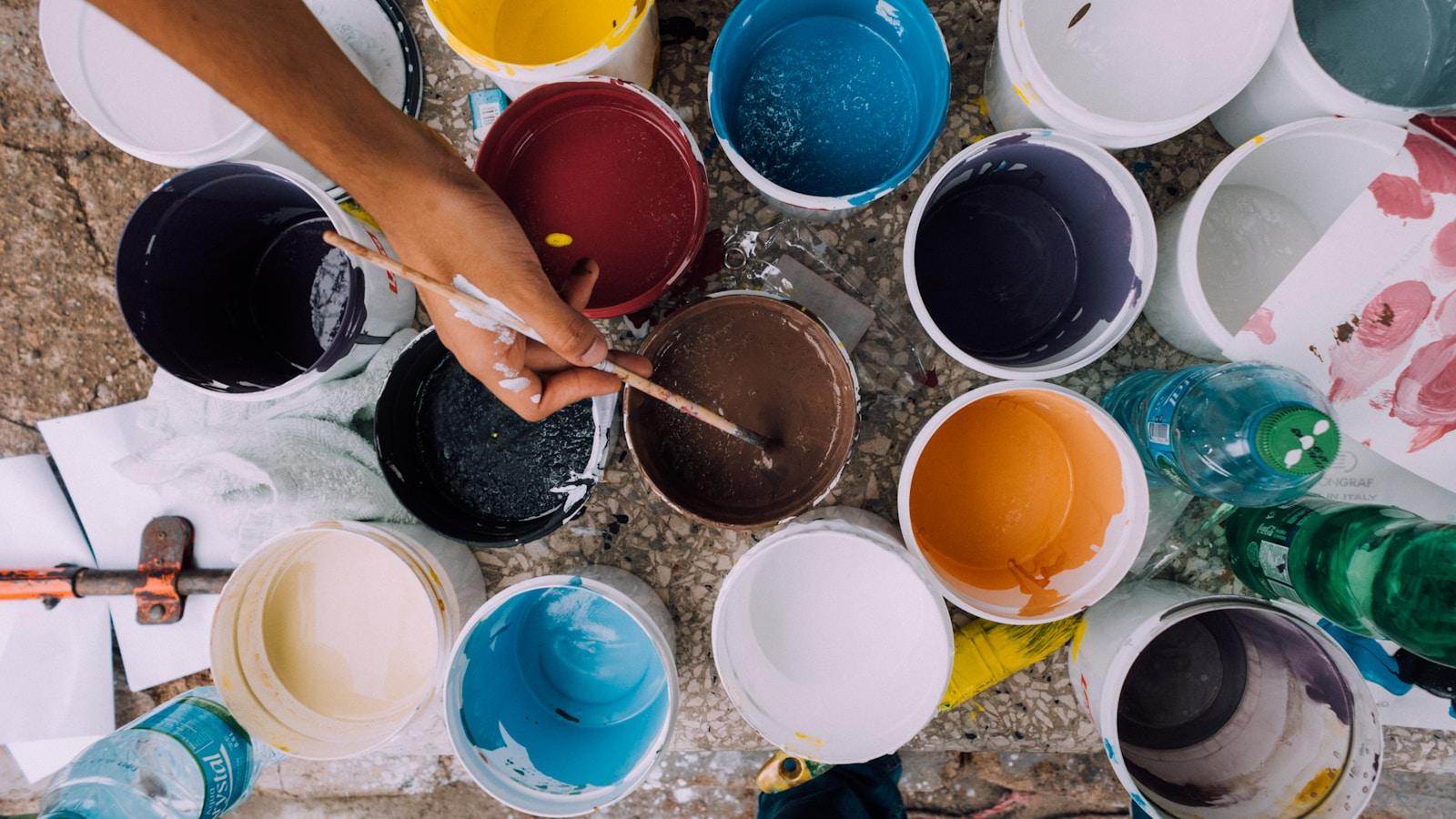
Visual arts therapy uses drawing, painting, or sculpture. Survivors might create images of their experiences or abstract shapes that reflect emotions. The process of choosing colors, textures, and forms becomes therapeutic in itself.
Music therapy involves listening, playing instruments, or composing. Rhythm and melody can regulate emotions, calm anxiety, and provide comfort. For some, music becomes a safe space to explore feelings without words.
Dance and movement therapy use the body as a tool for healing. Trauma often affects how people inhabit their bodies, leading to tension or disconnection. Movement therapy helps survivors reconnect with their physical selves, releasing stress and building confidence.
Drama therapy uses role-play, storytelling, and performance. Survivors can explore different perspectives, rehearse coping strategies, or reframe traumatic experiences. Theater becomes a stage for transformation.
Writing therapy encourages journaling, poetry, or storytelling. Putting words on paper helps survivors organize thoughts, confront memories, and imagine new futures.
Each form of arts therapy offers unique benefits, and programs often combine them to meet diverse needs.
Examples from Practice
In refugee camps, arts therapy programs have helped children process the trauma of displacement. Drawing sessions allow them to depict homes they left behind or dreams of safety. These images provide insight for caregivers while giving children a sense of control.
In hospitals, music therapy has supported patients recovering from accidents or violence. Playing instruments or listening to calming compositions reduces anxiety and promotes healing.
In community centers, drama therapy has helped survivors of domestic abuse reclaim their voices. Through role-play, they practice assertiveness and explore new identities beyond victimhood.
These examples show that arts therapy is adaptable. It can be used in clinical settings, schools, community programs, or informal groups.
Benefits Beyond the Individual
Arts therapy does not only heal individuals. It strengthens communities. Group sessions foster connection, reducing isolation. Survivors realize they are not alone, and shared creativity builds solidarity.
Community arts projects also raise awareness. Exhibitions of survivor artwork or performances of trauma-informed theater educate the public, reduce stigma, and inspire empathy. In this way, arts therapy contributes to social healing as well as personal recovery.
Challenges and Considerations
Despite its promise, arts therapy faces challenges. Access is limited in many areas, especially where resources are scarce. Training qualified arts therapists requires investment, and programs often rely on nonprofit funding.
There is also the issue of cultural relevance. Art forms vary across cultures, and therapy must respect local traditions. A program that emphasizes painting may not resonate in communities where music or storytelling is more central. Successful arts therapy adapts to cultural contexts, ensuring that creativity feels authentic.
Another challenge is skepticism. Some people view arts therapy as less serious than traditional methods. Advocates must continue to demonstrate its effectiveness through research and practice. Studies increasingly show that arts therapy reduces symptoms of post-traumatic stress, depression, and anxiety, but more evidence is needed to expand acceptance.
Why Arts Therapy Matters
Trauma recovery is not linear. It requires multiple approaches, tailored to individual needs. Arts therapy matters because it opens doors that other methods may leave closed. It gives survivors tools to express, understand, and transform their experiences.
Most importantly, arts therapy restores humanity. Trauma can make people feel broken or silenced. Creativity reminds them that they are more than their pain. They are storytellers, musicians, dancers, and dreamers. Through art, they reclaim identity and rebuild hope.
Leave a Reply