
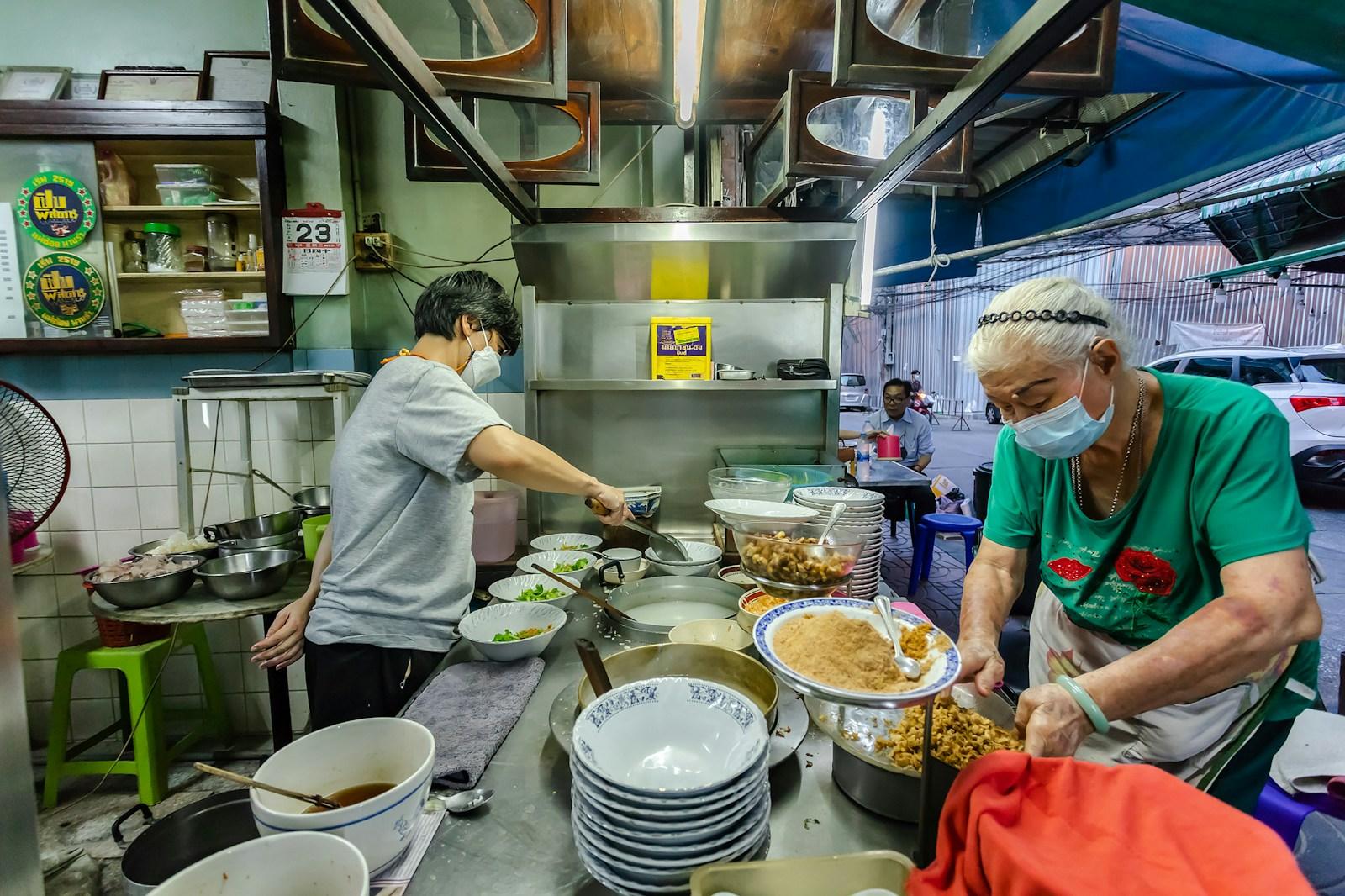
Food insecurity remains a pressing issue in many societies, affecting families across income levels and regions. While food banks and government programs provide essential assistance, community kitchens have emerged as dynamic spaces that go beyond simply serving meals. They function as social support hubs, offering nourishment, education, empowerment, and solidarity. By examining their roles, challenges, and successes, we can understand how community kitchens strengthen social support systems and foster resilience.
Providing Immediate Food Security
Community kitchens address hunger directly by offering free or low-cost meals. Families struggling with unemployment, housing insecurity, or medical expenses benefit from consistent access to nutritious food. Unlike food banks, which distribute groceries, community kitchens prepare meals that reduce the burden of cooking and ensure balanced nutrition. This immediate support helps families stabilize during crises and prevents hunger from escalating into health problems.
Building Social Connections
Beyond food, community kitchens create spaces where people connect. Shared meals foster relationships among neighbors, volunteers, and participants. For individuals facing isolation, such as seniors or immigrants, community kitchens provide companionship and belonging. These social connections strengthen resilience by building networks of mutual support. Community kitchens demonstrate how food becomes a tool for social cohesion.
Educational Programs on Nutrition and Cooking
Many community kitchens integrate educational initiatives. Workshops teach families how to prepare affordable, healthy meals, manage dietary restrictions, and reduce food waste. For example, kitchens in urban areas often partner with nutritionists to provide guidance on balanced diets. These programs empower families to make informed choices, improving long-term health outcomes. Education transforms community kitchens into centers of learning as well as nourishment.
Supporting Immigrant and Refugee Communities
Community kitchens often serve immigrant and refugee populations, offering culturally appropriate meals and safe spaces. Kitchens provide opportunities for newcomers to share traditional recipes, celebrate cultural heritage, and connect with local residents. This exchange fosters understanding and integration. For refugees facing economic challenges, community kitchens provide both food security and cultural affirmation.
Volunteerism and Skill Development
Community kitchens rely heavily on volunteers, creating opportunities for skill development. Participants learn cooking, food safety, and organizational skills that can translate into employment. For youth and unemployed adults, volunteering provides valuable experience and confidence. Community kitchens thus function as training grounds, strengthening workforce readiness while addressing food insecurity.
Examples of Community Kitchen Initiatives
Several initiatives illustrate the diverse roles of community kitchens:
- Soup Kitchens in the United States: Operated by nonprofits and churches, these kitchens provide meals to homeless individuals and low-income families.
- Community Food Centres Canada: Combines meal programs with cooking classes, advocacy, and community engagement.
- Langar in Sikh Temples: Offers free meals to anyone, regardless of background, emphasizing equality and compassion.
- Community Kitchens in Latin America: Grassroots initiatives provide meals and organize collective purchasing to reduce costs.
- UK Community Cafés: Serve affordable meals while offering training and volunteer opportunities.
These examples demonstrate how community kitchens adapt to cultural contexts while serving as social support hubs.
Positive and Negative Differences Compared to Traditional Food Aid
Community kitchens provide positive differences such as social interaction, education, and empowerment. Families receive not only food but also skills and connections. However, negative differences include reliance on volunteer labor and limited capacity compared to large-scale food banks. Traditional food aid offers consistency and scale, while community kitchens emphasize community-driven solutions. Understanding these differences highlights the complementary role of kitchens in food security systems.
Policy Support for Community Kitchens
Governments can strengthen community kitchens by providing funding, infrastructure, and partnerships. Policies that support food donations, reduce regulatory barriers, and encourage collaboration with schools and healthcare providers expand reach. For example, municipal governments in Europe provide grants for community kitchens that integrate nutrition education. Policy support ensures that kitchens remain sustainable and accessible.
Role of Technology and Innovation
Technology enhances community kitchen operations. Digital platforms connect kitchens with donors, volunteers, and participants. Apps streamline food donations, reducing waste by linking restaurants and grocery stores with kitchens. Online workshops expand educational programs, reaching families who cannot attend in person. Technology-driven innovation strengthens the impact of community kitchens.
Community-Based Solutions
Local organizations play a vital role in establishing and sustaining community kitchens. Nonprofits, churches, and grassroots groups provide funding, volunteers, and organizational support. Community-based solutions ensure that kitchens reflect local needs and values. By combining resources with collective action, communities create sustainable hubs that strengthen resilience.
Leave a Reply