
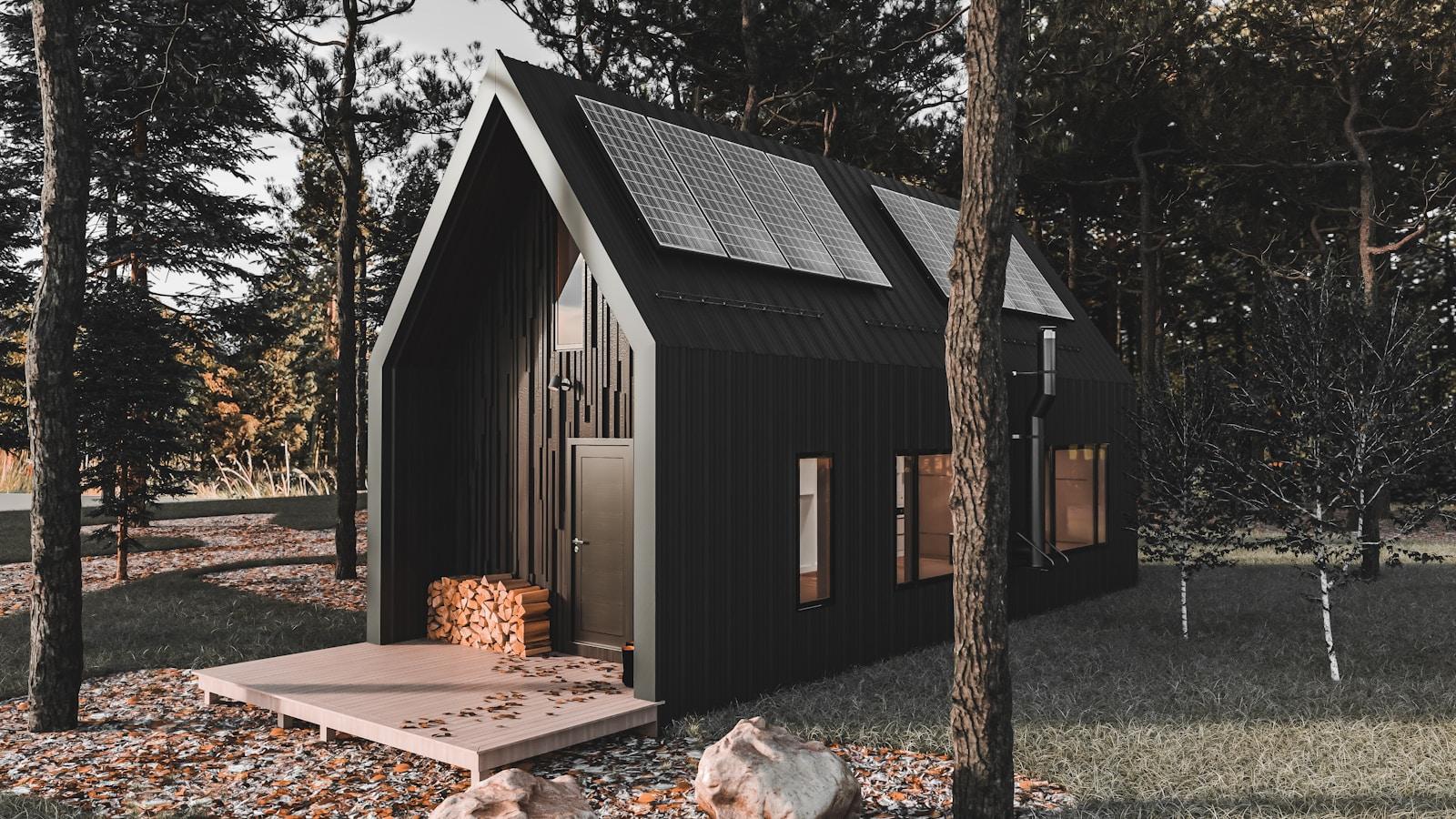
Housing affordability remains one of the most pressing challenges in urban and rural communities. Rising rents, limited supply, and economic instability have forced families to seek alternative solutions. Tiny homes, typically ranging from 100 to 400 square feet, have emerged as a practical response. These small dwellings provide affordable, sustainable, and flexible housing options that challenge traditional models of living.
Tiny Home Villages for Homeless Populations
Several cities in the United States have introduced tiny home villages to address homelessness. Programs in Austin, Texas, and Seattle, Washington, provide individuals with private living spaces alongside shared facilities. Residents gain stability, safety, and dignity, while communities benefit from reduced reliance on shelters. These villages demonstrate how tiny homes can serve as transitional housing, offering a pathway toward permanent solutions.
Eco-Friendly Tiny Homes in Europe
European countries have embraced tiny homes as part of sustainability initiatives. In Germany and the Netherlands, eco-friendly designs incorporate solar panels, rainwater collection, and energy-efficient insulation. These homes reduce environmental impact while lowering utility costs. Families benefit from affordable living that aligns with climate goals. Eco-friendly tiny homes highlight how affordability and sustainability can work together.
Rural Tiny Home Projects in Canada
In rural Canada, tiny homes provide affordable housing for workers in resource-based industries. Communities facing housing shortages use tiny homes to accommodate seasonal laborers and young families. These projects strengthen local economies by ensuring that workers have stable housing. Rural tiny homes demonstrate how small-scale solutions can address specific regional needs.
Student Housing Innovations
Universities in Japan and the United States have experimented with tiny homes as student housing. Compact designs provide affordable options for students who struggle with rising dormitory costs. Shared facilities such as kitchens and study areas encourage community interaction. Tiny homes for students demonstrate how affordability can be achieved without sacrificing quality of life.
Veterans’ Housing Programs
Nonprofit organizations in the United States have built tiny home communities for veterans. These programs provide affordable housing alongside support services such as counseling and job training. Veterans benefit from stability and community, while organizations reduce homelessness among former service members. Tiny homes for veterans highlight how targeted initiatives can address specific populations.
Urban Infill Projects
Tiny homes are increasingly used in urban infill projects, where small plots of land are developed to maximize space. Cities such as Portland, Oregon, encourage residents to build accessory dwelling units (ADUs) that function as tiny homes. These units provide affordable rental options while increasing housing density. Urban infill projects demonstrate how tiny homes can integrate into existing neighborhoods.
Disaster Relief Housing
Tiny homes have been deployed as temporary housing after natural disasters. Lightweight construction and modular designs allow rapid deployment. Communities affected by hurricanes, earthquakes, or floods benefit from immediate shelter. Tiny homes provide stability during recovery, reducing reliance on crowded shelters. Disaster relief housing demonstrates how affordability and mobility can combine to meet urgent needs.
Retirement Communities
Tiny homes are gaining popularity among retirees seeking affordable, low-maintenance living. Communities in Florida and Arizona offer clusters of tiny homes with shared recreational facilities. Retirees benefit from reduced expenses and simplified lifestyles. These communities demonstrate how tiny homes can provide dignity and independence for older adults.
International Examples in Australia and New Zealand
Australia and New Zealand have embraced tiny homes as solutions to housing shortages. Local governments support projects that provide affordable rentals for young families and professionals. Designs often emphasize sustainability, with features such as composting toilets and renewable energy systems. These initiatives demonstrate how tiny homes can adapt to diverse cultural and environmental contexts.
Summary: Tiny homes are reshaping affordable living by providing solutions for homelessness, sustainability, rural housing, student needs, veterans, urban infill, disaster relief, retirement, and international housing shortages. These initiatives demonstrate that affordability does not require sacrificing dignity or quality of life. By combining small-scale design with community support, tiny homes offer a flexible and sustainable path toward addressing housing challenges worldwide.
Leave a Reply