
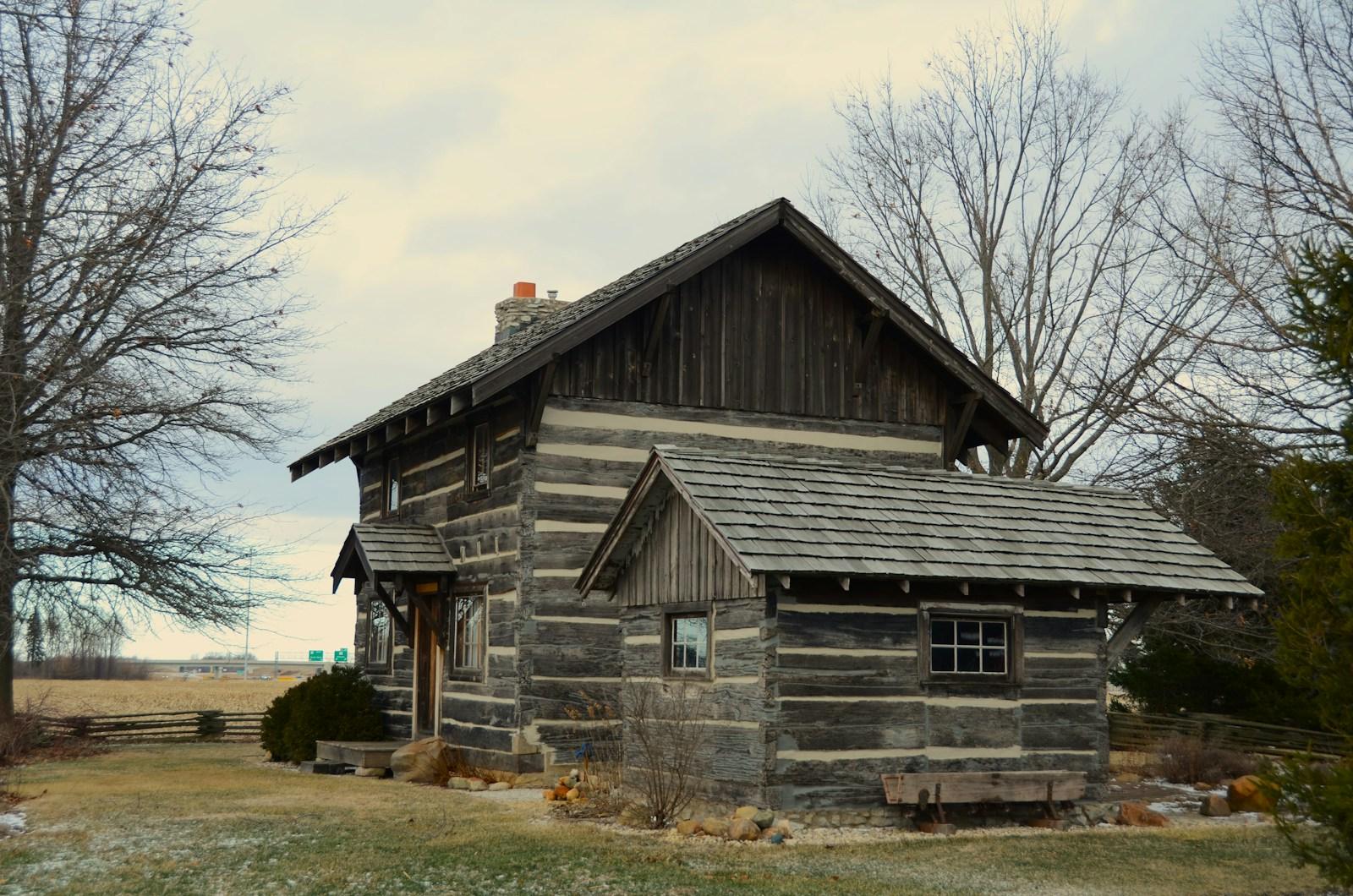
Housing in rural areas presents unique challenges that differ significantly from urban contexts. Limited infrastructure, economic constraints, and geographic isolation often make it difficult for families to access safe, affordable, and sustainable homes. At the same time, innovative solutions are emerging that address these barriers and strengthen rural communities. By examining both the challenges and the solutions, we can better understand how to improve housing security in rural regions.
Challenge: Limited Infrastructure
Rural areas often lack basic infrastructure such as paved roads, electricity, and water systems. This makes housing development more expensive and less accessible. Families may rely on outdated wells, septic systems, or generators, which increase costs and reduce quality of life. Infrastructure gaps also discourage investment, leaving rural housing underdeveloped compared to urban areas.
Solution: Community Infrastructure Projects Collaborative projects that pool resources can address infrastructure gaps. For example, rural cooperatives in Latin America build shared water systems that serve multiple households. Governments in Africa and Asia invest in rural electrification programs, bringing solar power to villages. These initiatives reduce costs and make housing development more feasible. Community-driven infrastructure projects demonstrate how collective action strengthens rural housing.
Challenge: Economic Constraints
Low-income levels in rural areas limit families’ ability to afford housing. Agricultural workers and seasonal laborers often earn unstable incomes, making it difficult to secure loans or mortgages. Traditional financing models may exclude rural residents due to lack of collateral or credit history.
Solution: Microfinance and Cooperative Lending Microfinance institutions provide small loans tailored to rural families. Cooperative lending groups allow members to pool savings and access credit collectively. For example, Grameen Bank in Bangladesh pioneered microfinance models that empower rural women to build homes and businesses. These financial solutions reduce barriers and create pathways to affordable housing.
Challenge: Geographic Isolation
Rural communities are often located far from urban centers, making access to materials and skilled labor difficult. Transportation costs increase housing expenses, while limited availability of contractors slows development. Isolation also reduces access to government programs and subsidies.
Solution: Local Materials and Training Programs Using locally available materials reduces costs and supports sustainability. In India, rural housing projects use bamboo, mud, and stone to build durable homes. Training programs teach local residents construction skills, creating employment while addressing housing needs. These solutions reduce reliance on external resources and strengthen community resilience.
Challenge: Climate Vulnerability
Rural housing is often more vulnerable to climate risks such as floods, droughts, and storms. Poorly constructed homes may collapse during disasters, leaving families homeless. Climate change increases the frequency and severity of these events, making rural housing security more urgent.
Solution: Climate-Resilient Housing Designs Innovative designs incorporate resilience into rural housing. Elevated homes in flood-prone regions reduce risk, while reinforced structures withstand storms. Programs in the Philippines and Indonesia promote disaster-resistant housing using affordable materials. Climate-resilient designs ensure that rural families remain safe during environmental challenges.
Challenge: Land Tenure and Ownership
Unclear land ownership is a major barrier in rural areas. Families may live on land without formal titles, preventing them from accessing loans or government programs. Disputes over land rights create insecurity and discourage investment in housing.
Solution: Land Reform and Legal Support Governments and nonprofits provide legal assistance to secure land titles. Land reform programs in Africa and Asia grant ownership rights to rural families, enabling them to invest in housing. Legal support ensures that families can build homes without fear of eviction. Secure land tenure strengthens housing stability and reduces poverty.
Challenge: Limited Access to Modern Technology
Rural housing often lacks access to modern technology such as smart energy systems or efficient construction methods. This creates disparities between rural and urban living standards. Families may rely on outdated practices that increase costs and reduce sustainability.
Solution: Affordable Technology Integration Programs introduce affordable technologies into rural housing. Solar panels provide electricity, while rainwater harvesting systems ensure clean water. Mobile apps connect families to construction resources and financing options. For example, rural housing projects in Kenya integrate solar kits into homes, reducing reliance on expensive fuels. Affordable technology strengthens rural housing by improving quality of life.
Challenge: Migration and Depopulation
Many rural areas face depopulation as residents migrate to cities for work. This reduces demand for housing and discourages investment. Abandoned homes deteriorate, creating blight and reducing community vitality.
Solution: Rural Development and Employment Programs Creating employment opportunities encourages families to remain in rural areas. Agricultural cooperatives, tourism initiatives, and small businesses provide income that supports housing development. Governments in Europe invest in rural revitalization programs that combine housing with economic incentives. These solutions strengthen rural communities and sustain housing demand.
Challenge: Cultural and Social Barriers
In some regions, cultural traditions influence housing design and ownership. Gender roles may limit women’s access to property, while social norms discourage modern construction methods. These barriers reduce inclusivity and slow progress.
Solution: Inclusive Housing Policies Programs that promote gender equality and cultural sensitivity strengthen rural housing. Nonprofits in South Asia advocate for women’s property rights, ensuring that families benefit from inclusive ownership. Housing initiatives that respect cultural traditions while introducing modern practices create sustainable solutions. Inclusivity ensures that rural housing serves all members of the community.
Challenge: Health and Sanitation
Poor housing conditions in rural areas often lead to health problems. Lack of sanitation systems increases disease risk, while overcrowded homes reduce well-being. Families may struggle to access clean water or safe cooking facilities.
Solution: Integrated Health and Housing Programs Programs that combine housing with health initiatives address these challenges. Rural housing projects in Africa integrate sanitation systems and clean water access. Nonprofits in Latin America provide stoves that reduce indoor air pollution. These solutions improve health outcomes while strengthening housing security.
Leave a Reply