
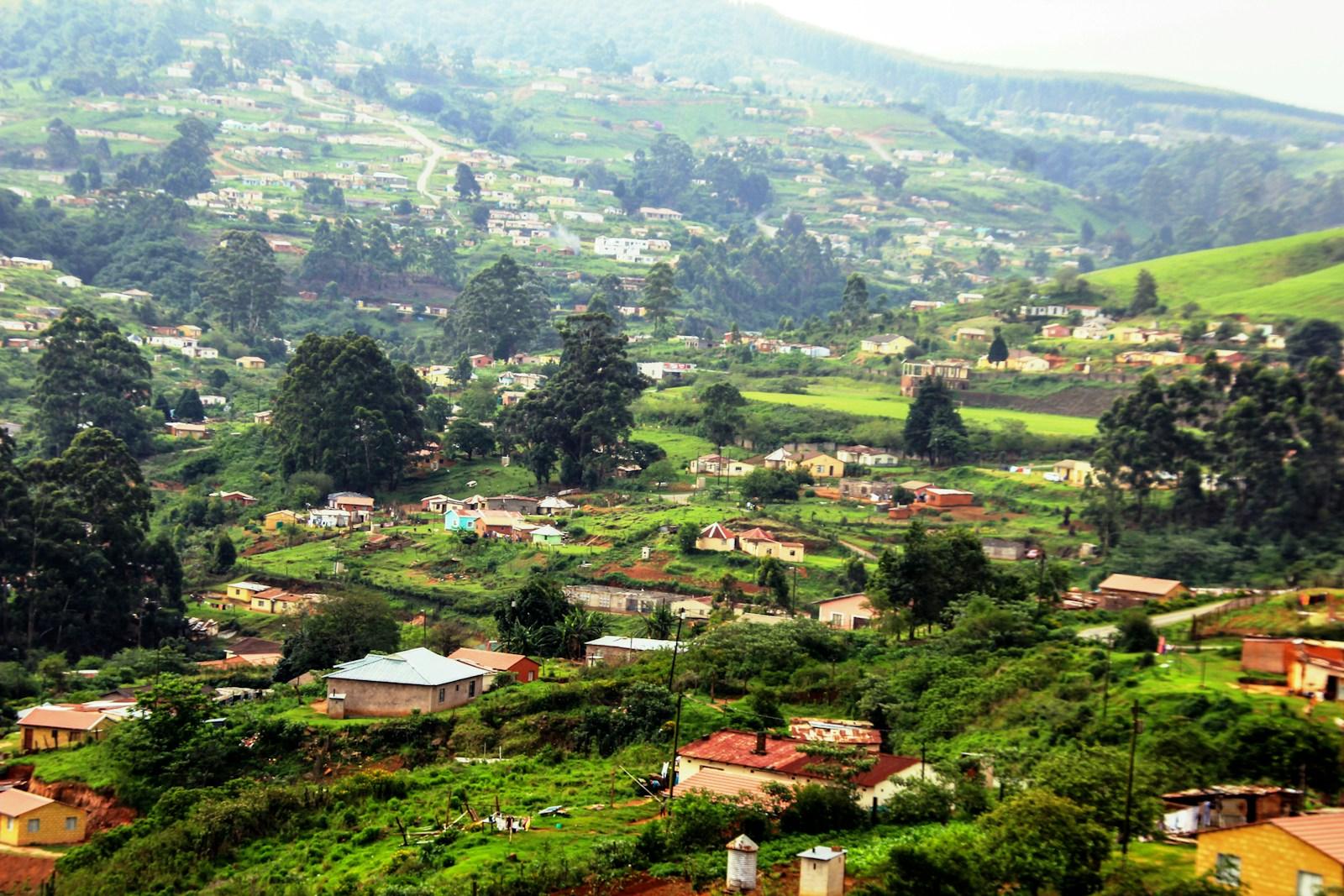
Living in rural areas often comes with unique challenges, especially when it comes to housing. Costs can be lower than in cities, but access to financing, repairs, and modern infrastructure is often limited. That is why rural housing support programs exist. They provide loans, grants, and services that help families build, repair, or maintain safe homes. Many people are not aware of the full range of programs available, so let’s walk through the ones you might be missing.
USDA Single Family Housing Direct Home Loans (Section 502 Direct Loan Program)
This program provides low‑income households in rural areas with affordable loans to buy, build, or improve homes. Interest rates can be as low as one percent, and repayment terms are extended to make monthly payments manageable. The distinction is that loans are tailored to households who cannot access traditional financing. It may be right for you if you want to own a home in a rural community but struggle to qualify for standard mortgages.
USDA Single Family Housing Guaranteed Loan Program
This program helps moderate‑income households secure loans through approved lenders, with the USDA guaranteeing repayment. The guarantee reduces risk for lenders, making it easier for families to qualify. The difference is that households can access private financing with government backing. It may be right for you if you have steady income but need extra support to qualify for a mortgage in a rural area.
USDA Home Repair Program (Section 504 Loans and Grants)
Section 504 provides loans and grants to very low‑income homeowners for repairs, improvements, and safety upgrades. Grants are often used to remove health hazards, while loans cover larger projects. The distinction is its focus on keeping existing homes safe and livable. It may be right for you if you own a home in a rural area but cannot afford necessary repairs.
Mutual Self‑Help Housing Program
This program supports groups of families who work together to build their own homes. The USDA provides technical assistance and financing, while families contribute labor. The difference is the cooperative approach, which reduces costs and builds community. It may be right for you if you are willing to contribute sweat equity and want affordable housing built with shared effort.
Rural Rental Housing Loans (Section 515)
Section 515 provides loans to developers to build or rehabilitate affordable rental housing in rural areas. Properties often include units for seniors, families, and individuals with disabilities. The distinction is its focus on expanding rental options where supply is limited. It may be right for you if you are looking for affordable rental housing in a rural community.
Farm Labor Housing Loans and Grants (Section 514 and 516)
These programs provide financing to build or improve housing for farm workers. Loans and grants are available to farmers, nonprofits, and public bodies. The distinction is their targeted focus on agricultural workers, ensuring safe housing near employment. It may be right for you if you work in farming and need affordable housing close to your job.
Rural Housing Preservation Grants (HPG)
HPG funds nonprofits and local governments to repair and rehabilitate housing for low‑income rural residents. Grants are used to improve safety, accessibility, and energy efficiency. The distinction is that funds go to organizations, which then assist households directly. It may be right for you if you need repairs and live in a community served by a participating nonprofit.
Community Facilities Direct Loan and Grant Program
This program provides financing for essential community facilities, including housing projects. Funds can be used to build or improve housing connected to healthcare, education, or public safety. The distinction is its broader scope, supporting housing as part of community development. It may be right for you if you live in a rural area where housing is tied to local services.
Rural Housing Voucher Program
This program offers rental assistance to households in rural areas who cannot afford market rents. Vouchers cover part of the rent, allowing families to choose housing that meets their needs. The distinction is flexibility, since households are not limited to specific properties. It may be right for you if you need rental support and want choice in where you live.
Rural Community Development Initiative (RCDI)
RCDI provides grants to nonprofits and public agencies to support housing and community development. Funds are used for training, technical assistance, and capacity building. The distinction is its focus on strengthening organizations that deliver housing support. It may be right for you if you benefit from local housing programs funded through RCDI grants.
Rural Economic Development Loan and Grant Program (REDLG)
REDLG provides financing to rural utilities, which then support housing and community projects. Funds are often used to improve infrastructure that supports housing development. The distinction is its indirect approach, strengthening utilities that make housing possible. It may be right for you if you live in a rural area where housing depends on reliable infrastructure.
Native American Housing Assistance and Self‑Determination Act (NAHASDA) Programs
NAHASDA provides block grants to tribal governments for housing development and rehabilitation. Funds are used to build, repair, and manage affordable housing in tribal communities. The distinction is its focus on self‑determination, allowing tribes to design programs that meet local needs. It may be right for you if you are a tribal member seeking housing support tailored to your community.
Rural Cooperative Development Grants
These grants support cooperative housing initiatives in rural areas. Funds help groups of residents organize, plan, and build housing together. The distinction is the cooperative model, which emphasizes shared ownership and responsibility. It may be right for you if you want to participate in a housing project built on community collaboration.
Rural housing support programs cover a wide range of needs, from homeownership loans to rental assistance, repair grants, and cooperative initiatives. Each program has its own focus, whether it is helping families buy homes, supporting farm workers, or strengthening community organizations. Eligibility varies, but the variety of options means there is often a path forward. Exploring these programs can help households in rural areas find stability, improve housing quality, and build stronger communities.
Leave a Reply