
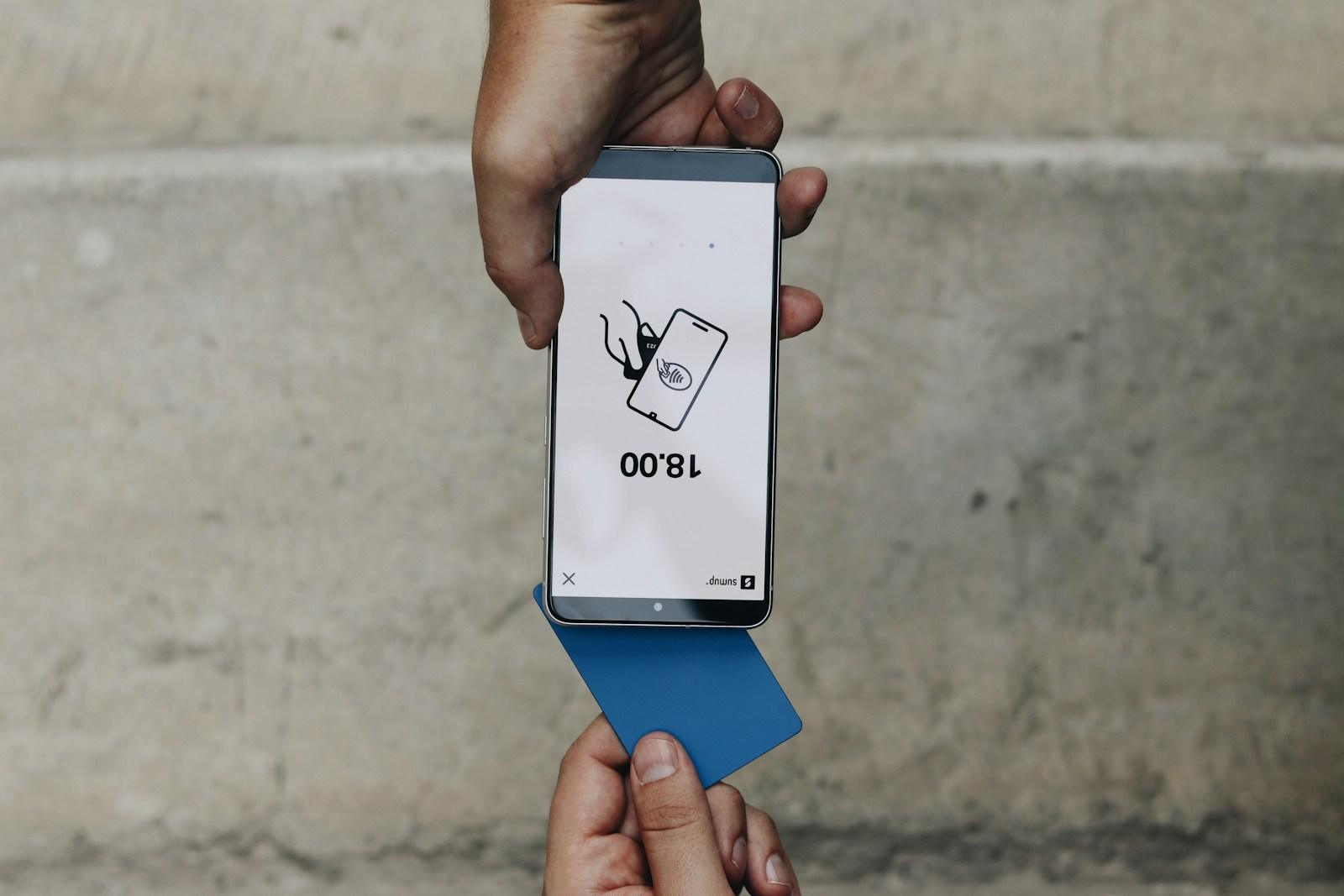
For a long time, underserved communities have struggled with limited access to traditional banking. Opening a bank account often requires documentation, minimum balances, and fees that can be difficult for low-income families. On top of that, many rural or marginalized areas simply do not have enough physical bank branches. This is where digital wallets come in.
Digital wallets are apps that allow people to store money, make payments, and transfer funds using their phones. They are not just a convenience for tech-savvy urban professionals. They are becoming lifelines for communities that have historically been excluded from mainstream financial systems.
Why Digital Wallets Matter
Imagine living in a neighborhood where the nearest bank is miles away, but nearly everyone has a smartphone. A digital wallet turns that phone into a financial tool. Suddenly, families can pay bills, send money to relatives, or receive wages without needing a physical bank account. For many, this is their first step into financial inclusion.
Digital wallets also reduce reliance on cash. Carrying cash can be risky, especially in areas where theft is a concern. With a wallet app, money is stored securely and can be accessed anytime. This shift empowers families to manage finances more safely and efficiently.
Everyday Benefits for Families
The benefits of digital wallets go beyond convenience. They directly impact daily life in underserved communities:
- Bill Payments: Families can pay electricity, water, or phone bills without traveling to payment centers.
- Money Transfers: Migrant workers can send money home instantly, avoiding high remittance fees.
- Savings: Some wallets allow users to set aside small amounts, encouraging savings habits.
- Access to Services: Wallets often integrate with government programs, enabling families to receive subsidies or aid directly.
These features make digital wallets more than just apps. They become essential tools for survival and growth.
Examples of Digital Wallet Adoption
Different regions have embraced digital wallets in unique ways:
- Philippines: GCash and PayMaya have become household names, allowing millions to pay bills, transfer money, and even invest small amounts.
- Kenya: M-Pesa revolutionized mobile money, enabling rural communities to access financial services without banks.
- India: Paytm and PhonePe provide digital payments for everything from groceries to school fees.
- United States: Cash App and Venmo are popular among younger users, but they also serve unbanked populations who rely on mobile payments.
- Latin America: Wallets like Mercado Pago integrate with e-commerce, helping small businesses thrive.
These examples show how digital wallets adapt to local needs, whether it is remittances, small business payments, or government aid distribution.
Positive and Negative Differences Compared to Traditional Banking
Digital wallets provide positive differences such as accessibility, affordability, and speed. Families do not need minimum balances or extensive paperwork. Transactions are instant, and fees are often lower than banks.
On the flip side, there are challenges. Wallets may not offer the full range of services that banks provide, such as loans or insurance. Internet access and smartphone ownership are prerequisites, which can exclude some families. Security concerns also arise, as scams and fraud target inexperienced users.
Understanding these differences highlights the complementary role of digital wallets. They do not replace banks entirely, but they fill critical gaps.
Social Impact of Digital Wallets
Digital wallets also strengthen communities socially. They allow small businesses to accept payments easily, boosting local economies. Street vendors, farmers, and artisans can sell goods without needing cash. Families can pool resources digitally, supporting one another in times of need.
In many cases, wallets empower women and marginalized groups. For example, in Kenya, M-Pesa gave women greater control over household finances. In the Philippines, digital wallets allow mothers to manage budgets and savings independently. These shifts promote equality and resilience.
Policy Support for Digital Wallets
Governments play a crucial role in expanding digital wallet adoption. Policies that encourage mobile payments, reduce transaction fees, and integrate wallets with public services strengthen accessibility. For example, during the COVID-19 pandemic, several countries used digital wallets to distribute aid quickly. Policy support ensures that wallets remain reliable and inclusive.
Role of Community Organizations
Community organizations often promote digital wallet adoption by providing education and training. Nonprofits teach families how to use apps safely, avoid scams, and manage finances. Churches and grassroots groups encourage collective savings through digital platforms. Community involvement ensures that wallets reflect local needs and values.
Technology and Innovation
Technology continues to enhance digital wallets. Features such as biometric authentication improve security. Integration with e-commerce expands opportunities for small businesses. Some wallets even offer microloans or insurance, bridging gaps in financial services. Innovation ensures that wallets remain relevant and adaptable.
Challenges in Adoption
Despite their promise, digital wallets face challenges:
- Digital Divide: Families without smartphones or internet access remain excluded.
- Security Risks: Scams and fraud target inexperienced users.
- Trust Issues: Some communities hesitate to adopt digital tools due to fear of losing money.
- Regulatory Barriers: Inconsistent policies can limit wallet adoption across regions.
Addressing these challenges requires education, infrastructure investment, and strong regulation.
Leave a Reply