
Volunteer Networks That Strengthen Local Aid Programs
Local aid programs often depend on organized volunteer networks that provide manpower, expertise, and trust. These networks demonstrate how collective action supports families, improves resilience, and extends the reach of social services.
Habitat for Humanity Volunteer Corps
Habitat for Humanity organizes volunteers to build and repair homes for families in need. Volunteers range from skilled builders to community members with no prior construction experience. The network strengthens housing aid programs by combining technical skills with community engagement. Families benefit from safe, affordable housing, while volunteers gain a sense of accomplishment and connection. Habitat’s model shows how structured volunteer work can directly address housing insecurity.
Red Cross Community Volunteers
The Red Cross relies on volunteers for disaster relief, blood drives, and health education. Local chapters recruit and train volunteers to respond quickly during emergencies. Their presence ensures that aid programs deliver food, shelter, and medical support when disasters strike. Volunteers also help with preparedness education, teaching families how to stay safe during crises. This network demonstrates how organized volunteers can provide both immediate relief and long-term resilience.
Feeding America Partner Volunteers
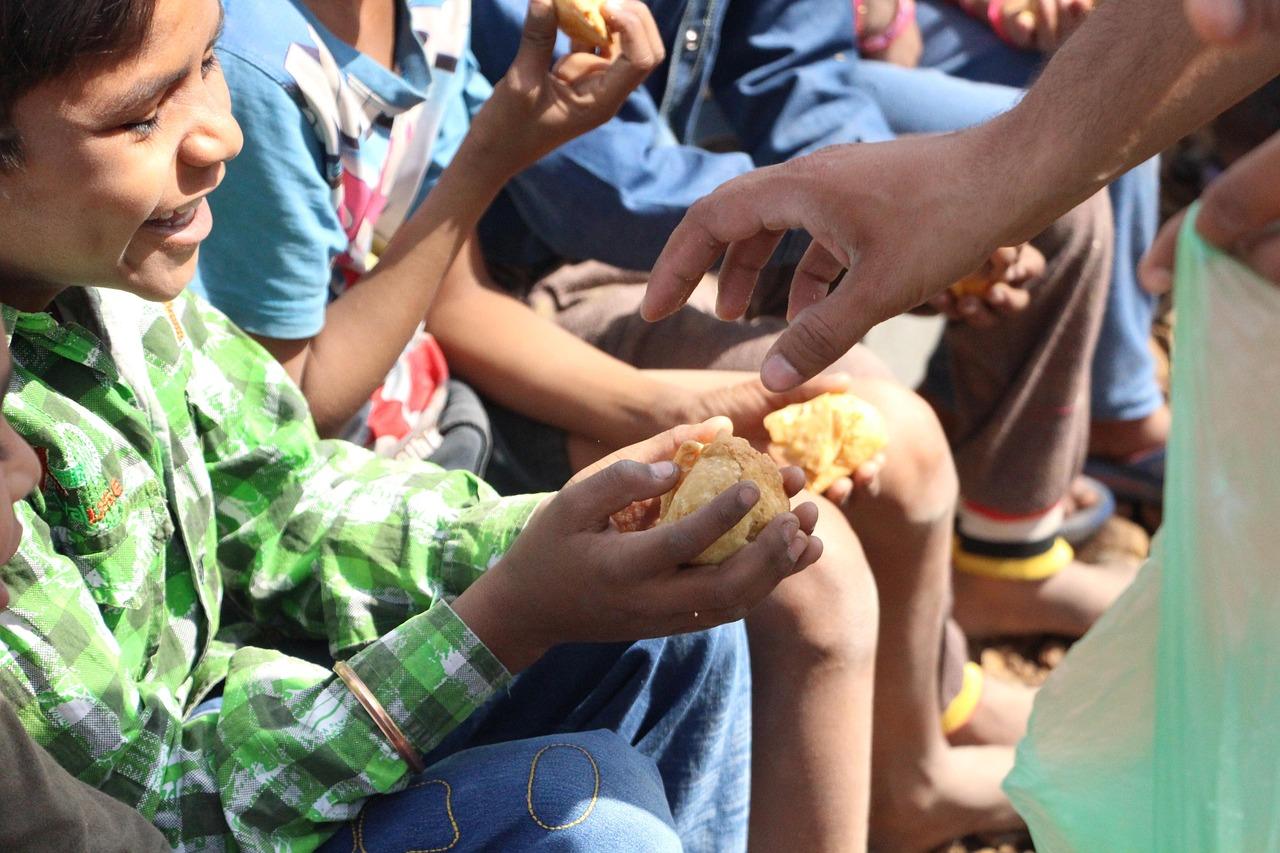
Feeding America coordinates a national network of food banks supported by volunteers. These individuals sort donations, pack boxes, and distribute food through pantries and kitchens. Their work ensures that hunger relief programs reach families consistently. Volunteers often come from the same communities they serve, which builds trust and strengthens local connections. By reducing food insecurity, this network highlights how volunteer power can sustain essential aid programs.
United Way Volunteer Connect
United Way offers a platform that links volunteers with local nonprofits. This system strengthens aid programs by matching skills with community needs. Volunteers may tutor children, assist with financial counseling, or support health initiatives. The platform ensures that aid programs receive the right kind of help at the right time. Families benefit from targeted services, while volunteers contribute skills that make programs more effective.
AmeriCorps Community Service Teams
AmeriCorps members commit to service projects that address education, housing, and health. Although AmeriCorps is a national program, it operates locally through partnerships with nonprofits. Volunteers provide structured, long-term support that strengthens aid programs beyond short-term projects. Their commitment ensures continuity, which is vital for programs that require sustained effort. Communities benefit from consistent service and the development of local leadership.
Salvation Army Volunteer Network
The Salvation Army organizes volunteers to assist with shelters, food distribution, and emergency relief. Their involvement expands the reach of faith-based aid programs across urban and rural areas. Volunteers often provide emotional support alongside material aid, which strengthens community bonds. By combining spiritual care with practical assistance, this network demonstrates how volunteers can meet both physical and emotional needs.
Local Mutual Aid Groups
Grassroots mutual aid groups organize neighbors to share food, childcare, and financial support. These informal networks strengthen aid programs by filling gaps left by formal institutions. Volunteers often act quickly, without bureaucratic delays, to meet urgent needs. Their flexibility allows them to adapt to changing circumstances, such as sudden job losses or health crises. Mutual aid groups highlight the power of community-driven volunteerism.
YMCA Community Volunteers
YMCA volunteers support youth programs, health initiatives, and family services. Their participation enhances local aid programs focused on education and wellness. Volunteers may coach sports, mentor students, or assist with health classes. These activities strengthen families by promoting healthy lifestyles and positive development. The YMCA network shows how volunteers can combine recreation with social support.
Doctors Without Borders Local Support Teams
Doctors Without Borders operates globally, but local volunteers assist with logistics, fundraising, and awareness campaigns. Their work strengthens health aid programs by ensuring resources reach vulnerable populations. Volunteers organize events, manage supplies, and educate communities about medical needs. This support allows professional staff to focus on direct care. The network demonstrates how volunteers can contribute to international aid efforts at the local level.
Rotary Club Volunteer Initiatives
Rotary Clubs organize projects ranging from clean water access to literacy programs. Members volunteer their time and professional expertise to strengthen aid programs. Their initiatives often combine local action with global partnerships, creating a broad impact. Rotary volunteers demonstrate how civic responsibility and professional skills can enhance community aid. Families benefit from projects that address both immediate and long-term needs.
Volunteer networks such as Habitat for Humanity, Red Cross, and Feeding America demonstrate how organized groups strengthen local aid programs. Platforms like United Way and AmeriCorps provide structured support, while grassroots mutual aid groups offer flexibility. Faith-based organizations, youth programs, and civic clubs highlight the diversity of volunteer efforts. Together, these networks show that both formal and informal volunteer structures are essential for building resilient communities.
Leave a Reply